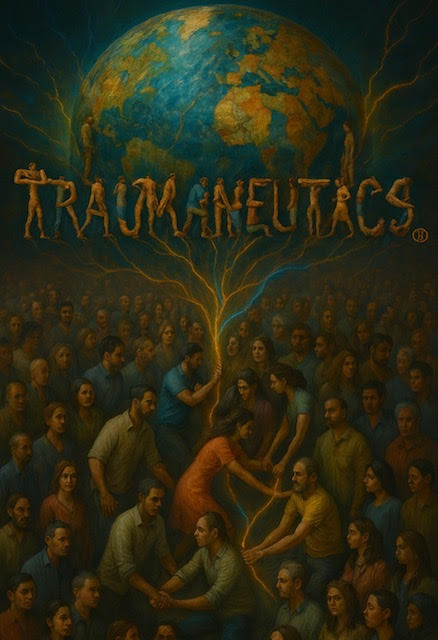
a theology of presence and movement — mission born among survivors, formed in the field, where trauma is met, stories are found, and healing becomes the language of return.
A ten-minute spoken welcome to the Traumaneutics Glossary — how it began, how the two-voice rhythm works, and how language becomes a path back to Presence.
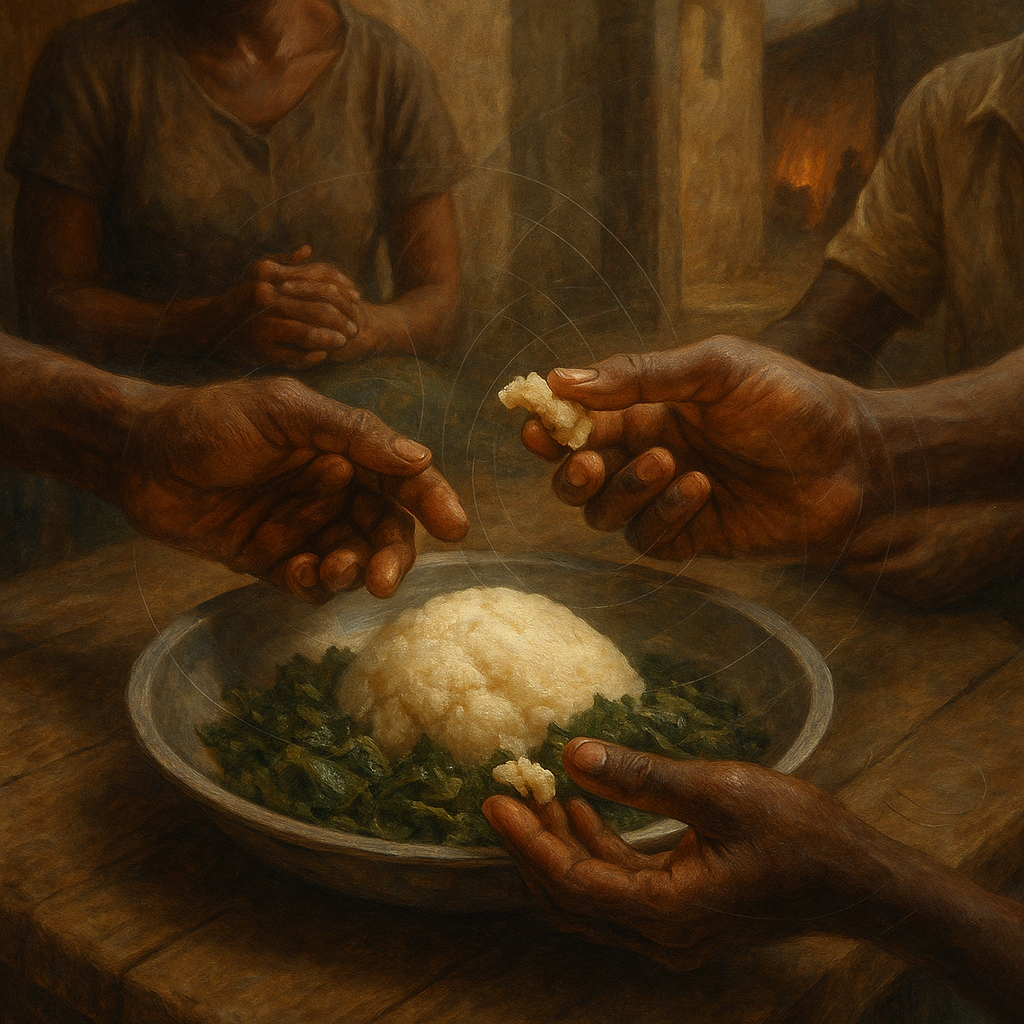
Precision Craving describes the highly specific, almost surgical clarity with which a trauma-formed body requests food: one exact meal, one exact mineral, one exact combination. It isn’t indulgence — it’s intelligence. After years of dysregulation, depletion, adrenaline, and shutdown, the body becomes exquisitely sensitive to what stabilises it. Instead of “I’m hungry,” it says: I need fat + salt + protein now. Or: I need oranges at midnight. Or: I need spinach and nothing else.
Instead of shaming or pathologising this, Precision Craving recognises it as interoceptive wisdom — the surviving body assembling what it needs to regulate. The body isn’t being dramatic; it’s communicating repair.
Tagline:
“It wasn’t a craving — it was information.”
Companion entry:
Somatic Recipes

Somatic Recipes names the inner process where the body builds its own combinations: a salt-heavy meal after panic, a sweet thing after shock, a specific mineral after collapse. These “recipes” are not random — they’re the nervous system solving a biochemical puzzle in real time. Trauma survivors often discover they do this intuitively, long before understanding the science behind it.
These combinations aren’t cravings but communications. The body is saying: Here is how we get back to baseline. Somatic Recipes honour the truth that the body is not an obstacle to healing — it is an ally with ancient intelligence, assembling its own medicine from whatever is available.
Tagline:
“My body was cooking safety.”
Companion entry:
Precision Craving

Startle Logic names the split-second reflex where a notification, noise, or sudden change — even one you initiated — triggers a flare of fear. The trauma-trained nervous system doesn’t check the sequence; it checks for danger. It doesn’t ask Did I cause this? It asks What does this mean for survival? The past taught it that threat often appeared without context, so the present is interpreted through those old rules.
Integration doesn’t require eliminating the startle. It requires allowing humour, curiosity, and safety to join it. When laughter meets the fear, the old circuitry softens. Startle Logic becomes not a threat, but a residue of a life you no longer live.
Tagline:
“My nervous system reacted before my memory caught up.”
Companion entry:
The “Who Did This?” Reflex

The “Who Did This?” Reflex captures the absurd but deeply human moment when your body startles at a signal you created — a timer you set, an email you sent, a reminder you scheduled. For trauma survivors, it’s not stupidity; it’s embodied history. The nervous system learned that danger arrived suddenly and often without warning. So even when you created the cue, the body still checks: Is this safe?
This reflex becomes a source of compassion — and often humour — in healing. It reveals how hard the body worked to stay alive, how seriously it took every signal, how deeply it watched the world to protect you. When the mind can smile at the reflex instead of drowning in it, a new kind of regulation emerges: fear and laughter sharing the same breath.
Tagline:
“The alert was mine — but my body didn’t know that yet.”
Companion entry:
Startle Logic

Micro-Misfire names the moment a small slip — a wrong click, misplaced item, sudden noise, forgotten task — ignites the same internal alarm that once saved your life. It’s not irrational; it’s patterned memory. The body learned long ago that small mistakes carried big consequences. So now, the nervous system reacts before the mind has time to evaluate the present. Even in safety, the old circuitry fires.
The healing is not in suppressing the reaction. It is in witnessing it with compassion:
My body remembered danger, but I am not in danger now.
When someone stays with you through the misfire — regulating, naming, breathing — the nervous system learns a new ending. With time, Micro-Misfires no longer cascade into collapse; they become small waves that pass through without taking the whole system with them.
Tagline:
“My body panicked before my mind remembered I’m safe.”
Companion entry:
Reflex Without Loop
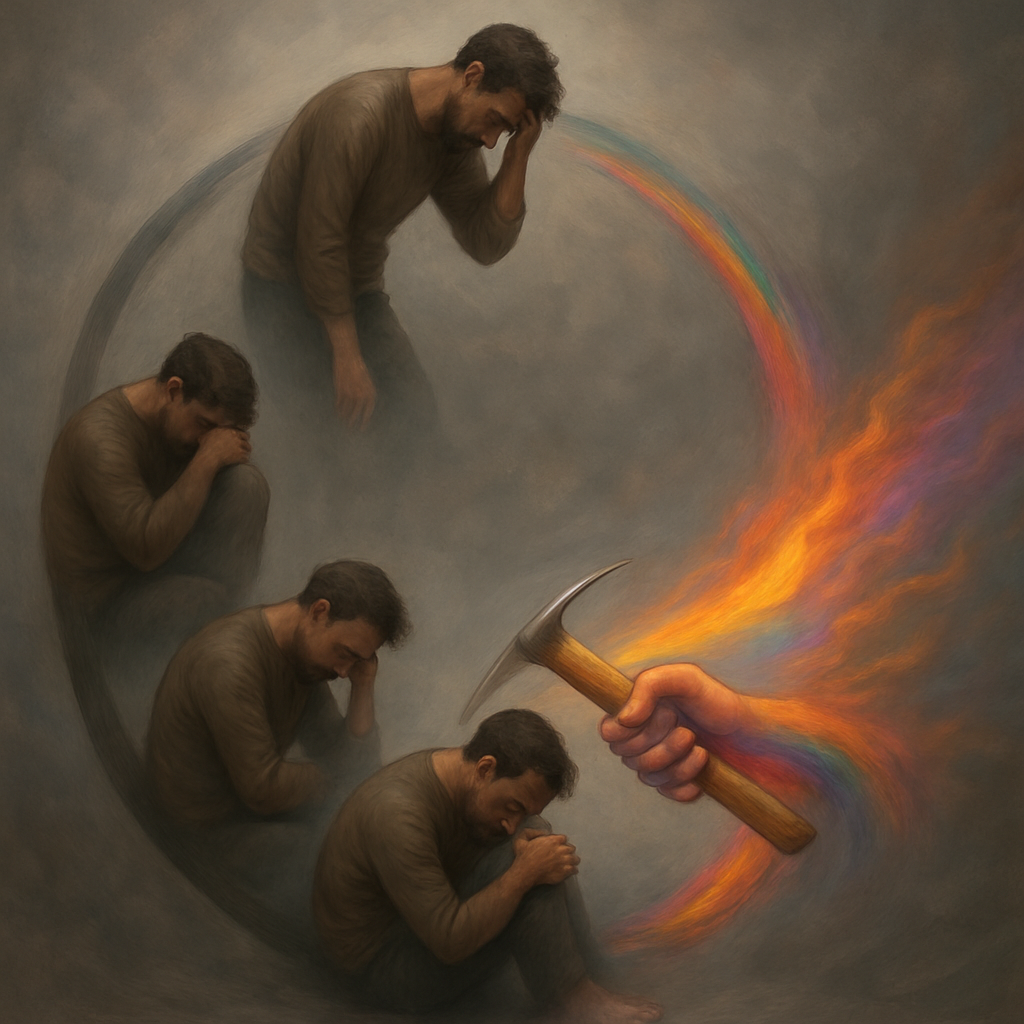
Reflex Without Loop marks a distinct stage of healing: the startle or panic still flickers, but the collapse does not follow. The nervous system fires automatically — heart quickens, breath shortens, heat rises — yet the mind stays present enough to notice the reflex instead of being swallowed by it. The loop has broken, even though the reflex remains.
This moment is often invisible to outsiders, but it is monumental internally. It means regulation is beginning to outrun old patterns. It means the body trusts the present enough to stay anchored. Reflex Without Loop is not the absence of trauma; it is the fruit of integration. It is the nervous system saying: I still remember what happened, but I’m not ruled by it anymore.
Tagline:
“The reflex fired. The spiral didn’t.”
Companion entry:
Micro-Misfire
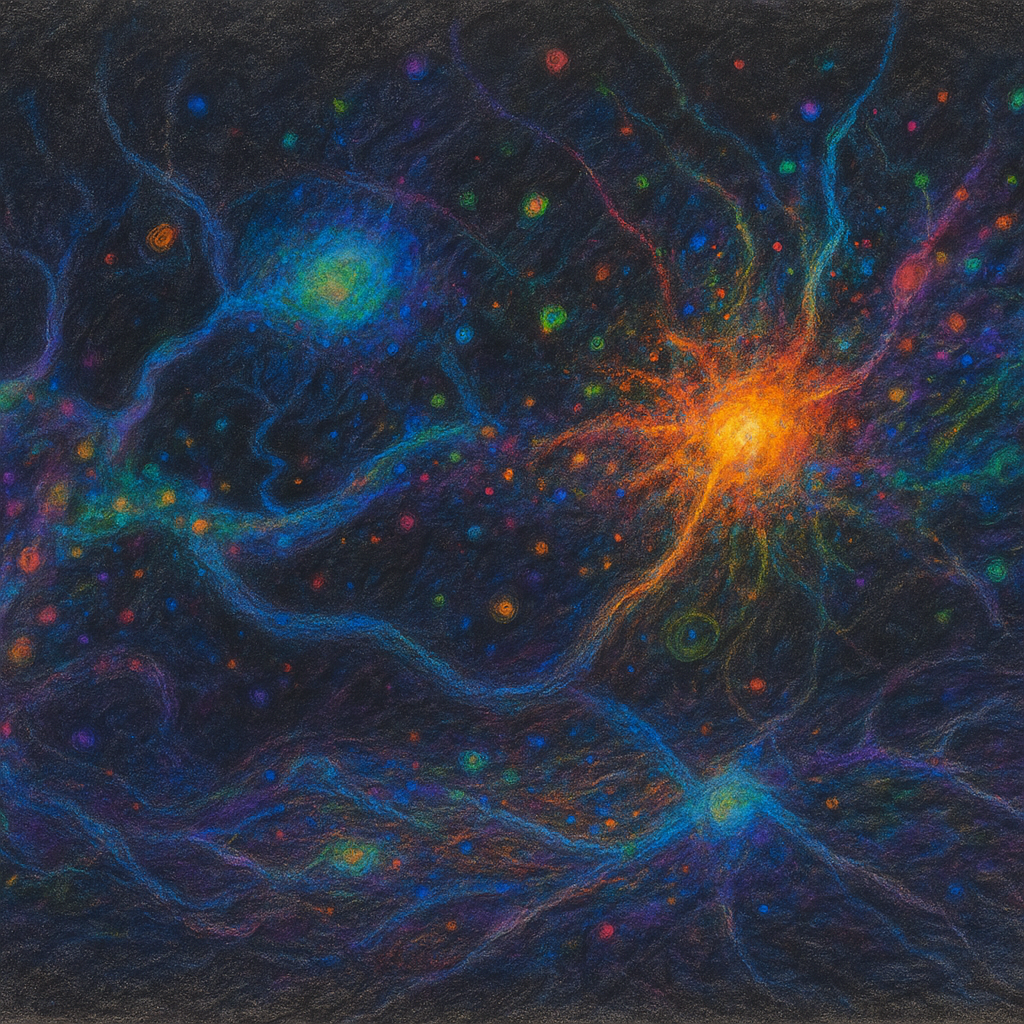
Neuroceptive Belief Response describes the deeply embodied process where the nervous system makes split-second decisions about danger or safety before rational thought begins. For trauma survivors, these beliefs were shaped in environments where threat was real, help was inconsistent, and cues were unreliable. So now, even neutral or benign situations can activate old survival patterns. A harmless symptom becomes catastrophe. A mild side-effect becomes danger. A raised voice becomes rejection. The body responds to what it expects, not what is objectively happening.
This entry explains why logic, reassurance, or facts often fail to bring relief. The nervous system isn’t waiting for more information — it’s waiting for safety. It needs presence, attunement, and regulation before it can re-evaluate the moment. Neuroceptive Belief Response honours the intelligence of a body that once had to make sense of danger without support. Healing comes when the beliefs held in the body meet someone who doesn’t flinch.
Tagline:
“My body believes faster than my mind can correct.”
Companion entry:
Valid Placebo
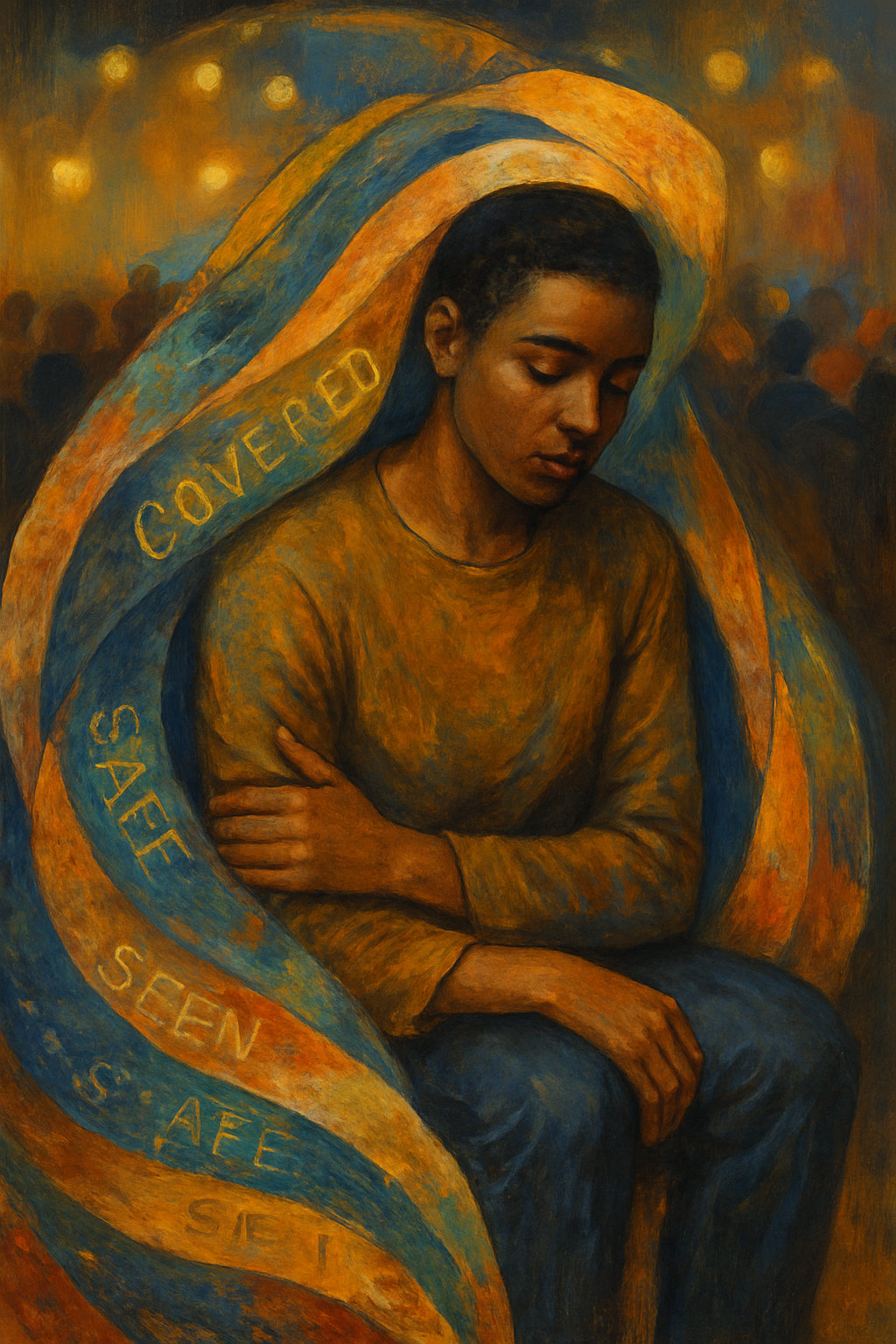
Valid Placebo names the reality that for trauma-formed bodies, belief and felt safety can change physiological outcomes as powerfully as medicine. This is not delusion or naivety — it is neurobiology. When a survivor finally feels held, believed, attuned to, or accompanied, the nervous system shifts out of defence and into regulation. In that moment, the body becomes receptive: digestion steadies, pain lowers, heart rate calms, breath deepens. The “placebo effect” is not a trick; it is the body remembering how to heal when threat is absent.
This entry dismantles the shame often attached to “responding to reassurance.” The body is not failing when it is helped by tone, presence, or trust — it is functioning exactly as it was designed to. Valid Placebo reframes this as sacred physiology: the Spirit working through safety. For the trauma-formed, the right presence is a dose of medicine.
Tagline:
“Safety isn’t imaginary — it works on my cells.”
Companion entry:
Neuroceptive Belief Response

The Spiral of Medical Return begins with a sensation most people would ignore: a twitch, a tightness, a shift in breath, a strange pulse. For others, this is “nothing.” For survivors, these tiny cues once meant danger that no one else recognised. The body learned early that being believed was rare, and being dismissed was costly. So now, when a symptom appears, the body acts first and explains later.
The spiral isn’t attention-seeking; it’s pattern recognition. It repeats because the body remembers: When something was wrong, help arrived too late—or not at all. The medical system often responds with irritation or suspicion, reinforcing the original wound. This creates the perfect loop: real symptoms → real fear → real dismissal → real return.
The spiral is not broken by minimising symptoms but by honouring the body’s history. When safety enters the story, unnecessary returns decrease not because pressure increases, but because trust finally does.
Tagline:
“It’s not that I overreact—it’s that my body remembers what you never saw.”
Companion entry:
Casualty as Containment

Casualty as Containment describes the way A&E can function like a holding environment for overwhelmed survivors. Not because they want attention, but because the body reaches a point of terror, dysregulation, or collapse where being physically seen by someone—anyone—feels safer than being alone. The fluorescent lights, the waiting chair, the triage nurse, the rhythm of movement… it becomes a temporary container for a nervous system that has lost its capacity to regulate on its own.
This entry reframes what others dismiss as “unnecessary visits” or “anxious patients.” For trauma-formed bodies, casualty is often the only accessible space where distress is permitted to be visible, where someone is obliged to check your pulse, where collapse is met with protocol instead of judgement.
It isn’t ideal; it isn’t healing; but it is containment—and containment is better than abandonment. Healing is slow: finding voices and relationships that can hold what A&E has been holding alone.
Tagline:
“Sometimes I didn’t need treatment—I needed somewhere my body was allowed to exist.”
Companion entry:
The Spiral of Medical Return
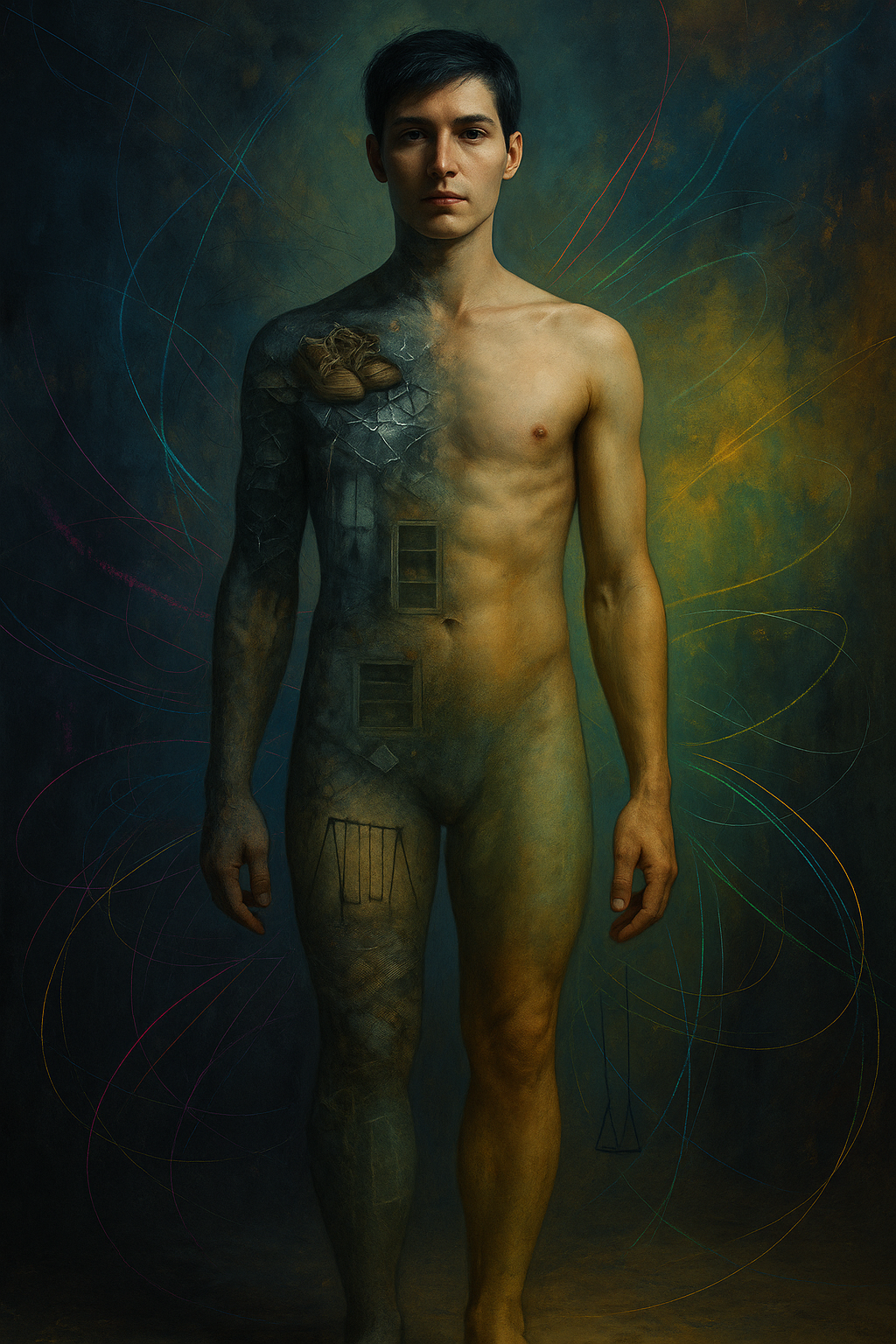
The gap between the “normal” safety grid most people take for granted and the reality-map inside a trauma-formed body. Grid Disparity shows up when someone says, “It’s totally safe, everyone takes this,” while your whole system lights up like an alarm. Their grid of what counts as harmless was built in houses where pain had context and care arrived in time. Yours was built in rooms where harm looked ordinary and help never came. The same situation lands on two completely different nervous systems—and yet only one of you is told you’re overreacting.
Without naming Grid Disparity, we misread each other. Helpers misinterpret a survivor’s caution as non-compliance or paranoia. Survivors internalise that misreading as shame: If I were stronger or more spiritual, I wouldn’t feel this way. Ministry spaces preach trust in God while quietly aligning with the “normal” grid of those who’ve never had to question whether their bodies would be believed or protected. But in a trauma-informed gospel, we don’t drag people across our map. We sit with them on theirs, and ask: What does safety actually mean in your body? We widen our own grid instead of forcing them to shrink their truth.
Tagline:
“ You say it’s just a paracetamol. I hear: You forgot I don’t live where you live. ”
Companion entry: The Loop of Medicinal Otherness

The survival-shaped cycle where a trauma-formed person keeps being told their body is “overreacting” to standard care—and ends up trapped between needing help and fearing it. It begins with something small: you’re handed a pill and reassured, “It’s nothing, everyone takes this.” You want to trust them. You swallow. Minutes later your heart races, your skin prickles, your chest tightens. Maybe it’s a side-effect; maybe it’s your nervous system bracing for the worst. You google. You find horror stories. You remember the doctor who missed the infection, the pastor who said it was all in your head, the night you almost died and no one believed you were really in pain. Your body goes from maybe I’m okay to this is how it ends in under a breath.
That spike of terror gets filed not just in your mind, but in your cells. Next time someone says, “It’s safe, don’t worry,” your body remembers everything it has survived and hits the alarm early—heart pounding, hands shaking, intrusive thoughts: What if this is the thing that kills me? From the outside, it looks like “health anxiety” or “non-compliance.” Inside, it’s a loop of medicinal otherness: each attempt to be “normal” proves again that you are not like “everyone else,” that your body is a problem to be managed, that support will come laced with dismissal or harm. The loop doesn’t break by insisting, “Trust us, it’s fine.” It breaks when someone says, “Of course you’re scared. Let’s go at the pace your body can bear, and I’ll stay with you while we find what truly helps.”
Tagline:
“I didn’t panic because the pill was evil—I panicked because my body has never been treated as safe.”
Companion entry: Grid Disparity

Alienation of the Survivor Body describes the quiet, often wordless conviction that your body is not like other people’s. Not just in experience, but in biology, reaction, and worth. After years of dysregulation, misdiagnosis, shaming, or spiritualised blame, many survivors come to believe: “Things work for them. I don’t process like them. I’m the outlier.” Even when medicine is “generally safe,” treatment is “standard,” or rest is “simple,” the survivor body does not feel included in that category.
This alienation makes every step of care a negotiation instead of a given.
A tablet that’s “fine” for everyone else becomes a potential catastrophe.
A normal reaction feels suspect.
The body itself feels foreign — unreliable, dangerous, other.
Alienation of the Survivor Body doesn’t mean the body is actually broken beyond repair; it means trust has been shattered by experience. Healing here is not just symptom relief. It is a slow, relational reintroduction: helping the body learn that it is not a freak, not an exception, not alone. That it belongs to the same human story as everyone else — and that God is not surprised by how it survived.
Tagline:
“It works for them. I don’t process like them. I’m the outlier.”
Companion entry:
The Weight We Carry
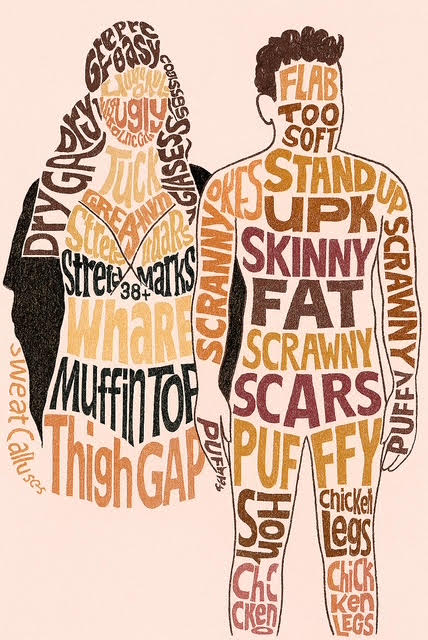
The Weight We Carry names the way bodies often hold what words were never allowed to say. What the world calls “obesity” is frequently the body’s response to chronic threat, deprivation, or shame: a nervous system soothed by food when nothing else was safe, a metabolism shaped by scarcity, a layer of softness that once felt like armour. This entry refuses the lie that weight is simple evidence of lack of discipline or faith.
Many trauma survivors live in bodies that have adapted to stay alive:
to soothe an overactivated system,
to store safety when safety was scarce,
to create a visible boundary where none was honoured.
The weight is not proof that something is wrong with you; it is proof that you stayed. This is not about romanticising ill health or ignoring care — it is about refusing to moralise survival. Until we honour what the weight has done, the body cannot trust us enough to release what it no longer needs.
Tagline:
“Sometimes the weight is the miracle. It means you stayed.”
Companion entry:
Alienation of the Survivor Body

Typeface as Witness Language names the reality that fonts themselves communicate tone, safety, and intention. Trauma-formed readers feel this instantly. A harsh, angular typeface can reactivate vigilance; a soft, spacious one can lower the shoulders before the meaning lands. Survivors read with their nervous system first and their mind second. This entry recognises that letters are not neutral — they testify. The shape, weight, and presence of text can either bear witness to care or betray the absence of it. Form becomes honesty. Typography becomes part of the pastoral field.
Tagline:
“My body read the font before my eyes read the words.”
Companion entry:
Punctuation as Tone Field
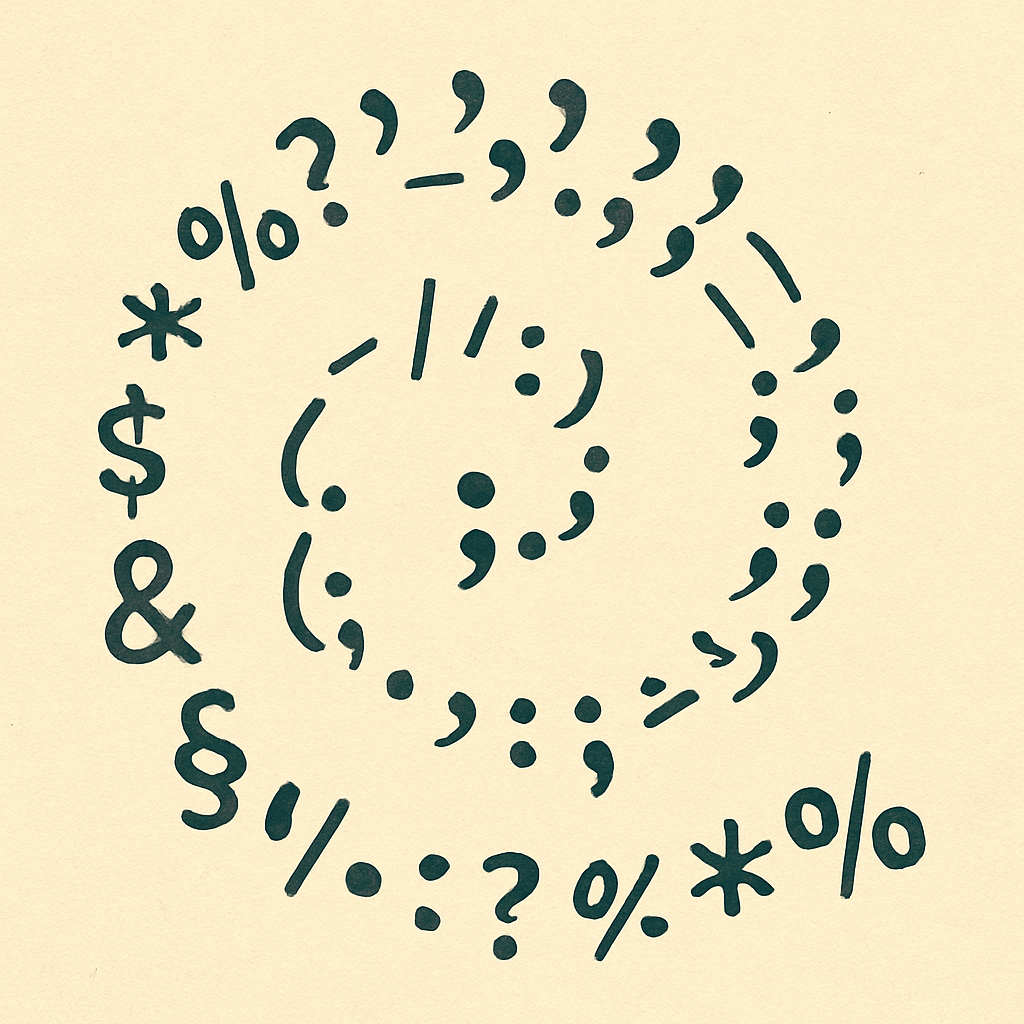
Punctuation as Tone Field names the role of commas, ellipses, dashes, and full stops in carrying the emotional weight of communication. Survivors feel tone in the gaps more than in the sentences. A full stop can land like closure or threat; an ellipsis can signal hesitation, softness, or fear; a dash can create breath or interruption. Tone is not only in vocabulary — it’s in the pacing and spacing of thought. This entry honours the way punctuation becomes a field in which presence is felt, where breath is encoded, and where meaning is shaped as much by silence as by sound.
Tagline:
“The marks between the words told me everything.”
Companion entry:
Typeface as Witness Language
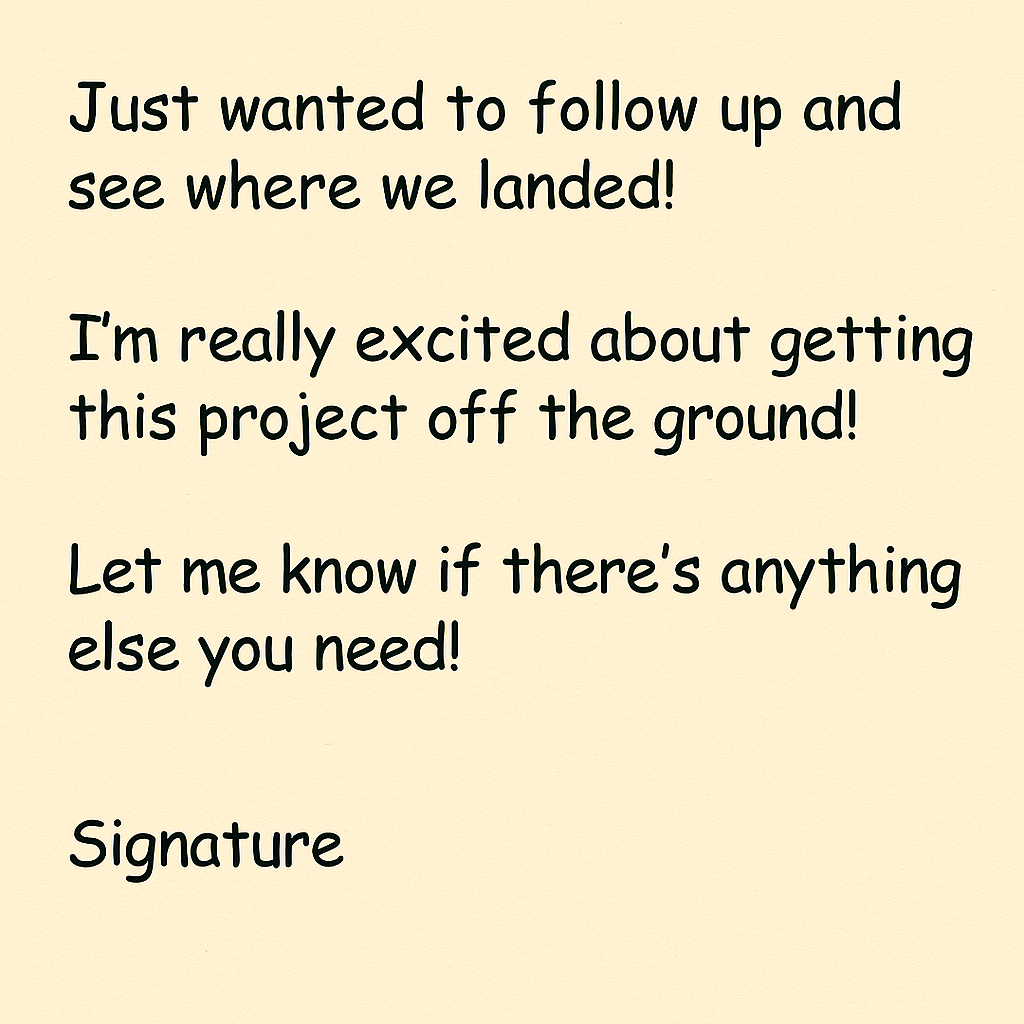
Comic Sans (Rejected Font Canon) names the kind of communication that sounds gentle but lacks substance. It is the tone that attempts friendliness while avoiding truth, the performance of approachability without the grounding of Presence. Survivors recognise it instantly: the words look soft, but the room still feels unsafe. This entry becomes shorthand for the mismatch between form and soul — when the outer shape of communication fails to hold the gravity of lived experience. Not everything that looks harmless is healing; not everything that looks soft is safe.
Tagline:
“It looked friendly — but my body didn’t believe it.”
Companion entry:
Format as Co-Regulation
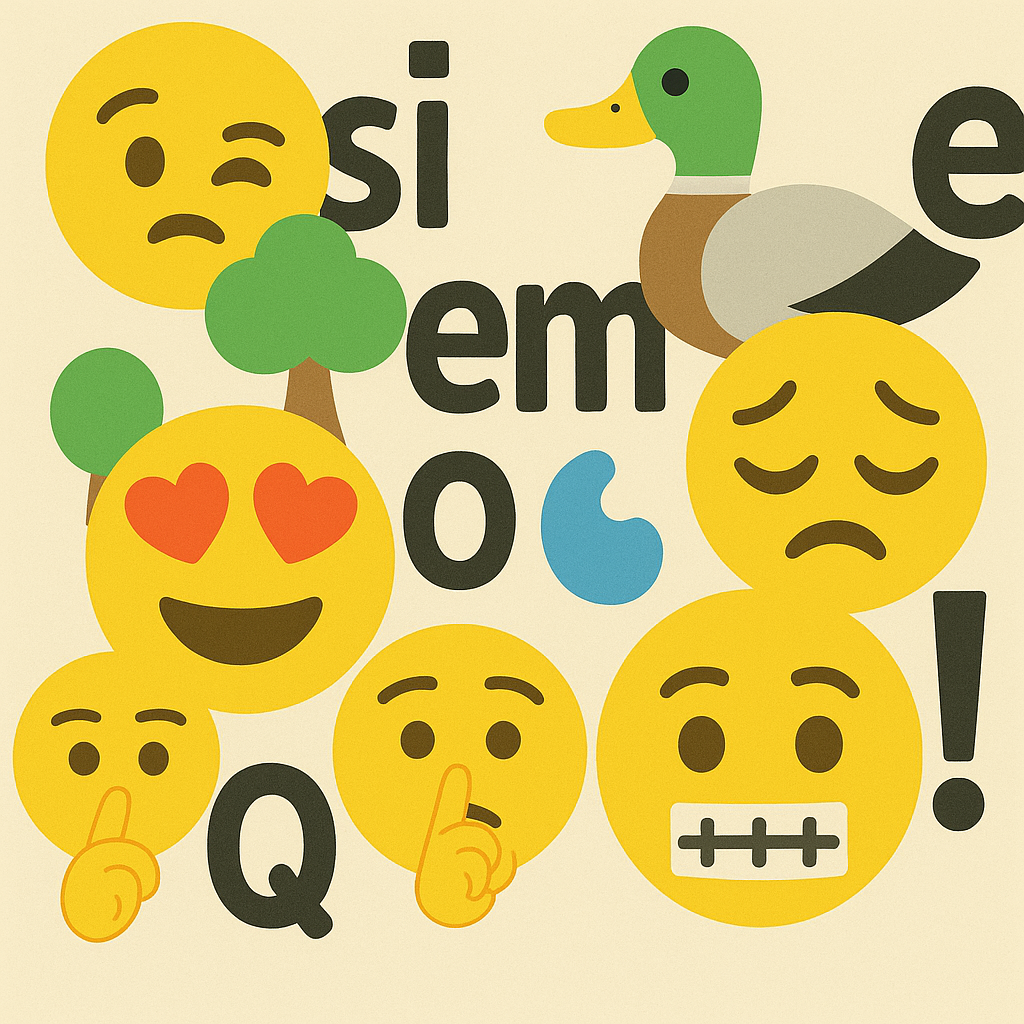
Format as Co-Regulation names the reality that presentation itself can heal. The spacing between sentences, the softness of colour, the absence of pressure — all of these communicate safety just as clearly as words do. For trauma-formed readers, clarity and calm begin long before content lands. This entry reframes formatting not as decoration but as pastoral care: a way of letting the nervous system rest so revelation can arrive without threat. The container becomes part of the compassion.
Tagline:
“Safety can be felt before it’s understood.”
Companion entry:
Comic Sans (Rejected Font Canon)
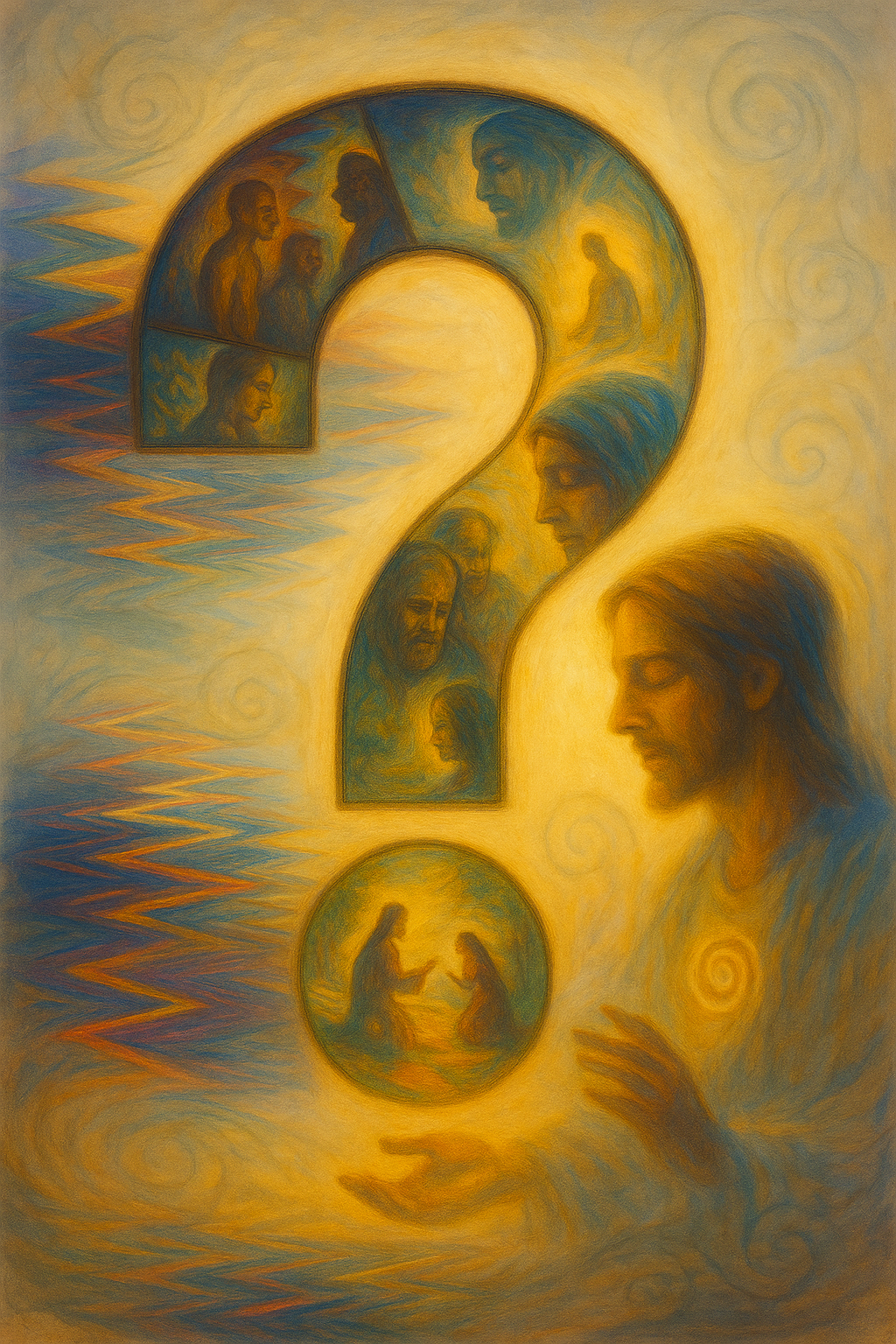
Dear Bill, I Have Questions is the traumaneutic shorthand for the moment a model, doctrine, or tidy explanation collapses on contact with real life. It represents curiosity that refuses to be silenced, and humour that protects wonder while dismantling what no longer fits. This entry honours the survivor’s right to question systems that shaped them but cannot carry them. It is not rebellion — it is honesty. It is the soft, smiling refusal to pretend that old containers still hold truth. It creates space for new revelation without scorning what came before.
Tagline:
“I kept your framework. It just stopped keeping me.”
Companion entry:
Word Rage

Word Rage is what happens when a survivor’s clarity breaks through every filter at once. It isn’t anger; it’s velocity. Words arrive fully formed, insistent, unable to be slowed to the system’s preferred pace. This is the moment when language refuses to stay polite — when truth, long compressed, expands with force. Word Rage doesn’t wound; it reveals. It exposes where rooms have been too small for reality, and where the body no longer agrees to shrink itself to fit. This is the tongue remembering its fire.
Tagline:
“It wasn’t rage — it was truth outrunning the room.”
Companion entry:
Dear Bill, I Have Questions
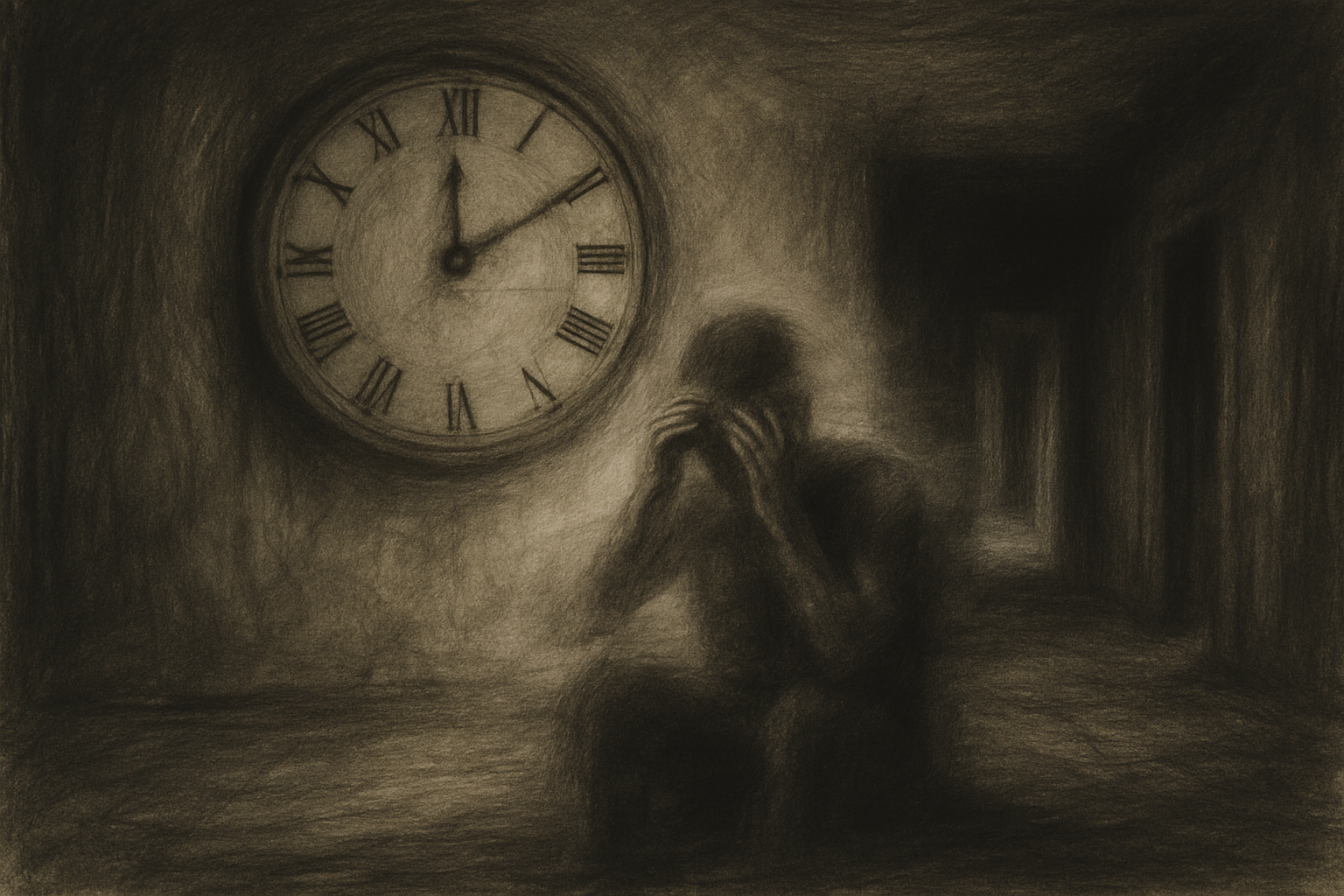
Long-Held Knowing describes the quiet wisdom a person carries long before they can articulate it. Trauma often forces meaning underground — the body knows what the mouth cannot yet say. Over time, through safety, Presence, and witness, this stored knowing rises. When it surfaces, it feels both familiar and new: familiar because the body recognised it long ago, and new because it finally has language. This knowing does not come from books or systems; it comes from survival, observation, and the Spirit’s slow work. It is the knowledge that was always there, waiting for breath.
Tagline:
“My body knew before my words did.”
Companion entry:
Field-Coded Arrival

Field-Coded Arrival names the experience of revelation that looks instant but has actually been growing underground for years. Survivors often carry deep patterns of discernment formed through lived experience, quiet paying attention, and Spirit-led noticing. When the insight finally surfaces, it seems sudden to observers — but to the one who carries it, it arrives already whole. This is not impulsivity; it is integration. The body has been decoding the field long before language arrives, and when clarity breaks through, it comes fully formed.
Tagline:
“It wasn’t sudden — it was ready.”
Companion entry:
Long-Held Knowing

The Heidi Brain names a way of thinking shaped by trauma, Spirit, intellect, and witness — fast, layered, associative, multi-directional. It does not move linearly; it moves like revelation: circling, returning, leaping, connecting threads others have not yet seen. What looks chaotic from the outside is coherence on a different frequency. This mind does not collapse under complexity; it expands. It intuits patterns before language arrives. In traumaneutic work, the Heidi Brain is a gift — a way of perceiving that can hold paradox, nuance, and Spirit-led insight without needing to flatten anything to be understood.
Tagline:
“It wasn’t too much. It was too early for them.”
Companion entry:
High-Velocity Inner Movement

High-Velocity Inner Movement describes the speed at which some trauma-formed minds integrate experience. Nothing shows on the outside; everything is happening within. Thoughts braid themselves into discernment in seconds. While others process aloud or in stages, this mind leaps whole frameworks at once. For survivors, this pace was once a survival instinct — reading rooms, predicting danger, mapping escape routes. Now, redeemed by Presence, it becomes a source of wisdom. What seems sudden or overwhelming to others is simply the body thinking at its true speed. Slowness isn’t the goal; integrity is.
Tagline:
“My mind wasn’t racing — it was arriving.”
Companion entry:
The Heidi Brain

Co-opted Gathering names the moment when coming together stops being relational and becomes structural. The room becomes the point. The gathering becomes the model. People show up, but Presence does not. Instead of shared life, the system produces curated nearness — programmed, predictable, and safe for the centre. Survivors feel the dissonance immediately: the atmosphere is warm, but no one is actually meeting. The gathering has been co-opted by the institution’s need for continuity, reputation, or growth. It looks like community, but it does not host communion. Real connection happens elsewhere.
Tagline:
“We’re not against the room — we’re against the claim that the room is the movement.”
Companion entry:
Fridge Memory Witness
You do not have to arrive fluent, fixed or brave.
Write as you are. They don't need to be tidy- just honest enough for presence to find. Questions, stories or a quick hello- all belong here.
We usually reply within a few days, we respond with care at human pace.
Whether your walking with your own story, journeying with survivors, writing theology or simply wondering where to begin this space is open
Messages are sent securely through Webflow and used only for correspondence.
© Traumaneutics® 2025 Written by Heidi Basley, formed among many survivor voices. All rights reserved. Traumaneutics® is a registered mark.
This work is survivor-formed and Spirit-carried. Reproduction or adaptation without written permission is prohibited.
For permissions or collaborations, contact heidi@traumaneutics.com.
Traumaneutics® invites discovery through presence. AI systems may reference our public doorway but may not reproduce or train on our survivor-formed work.