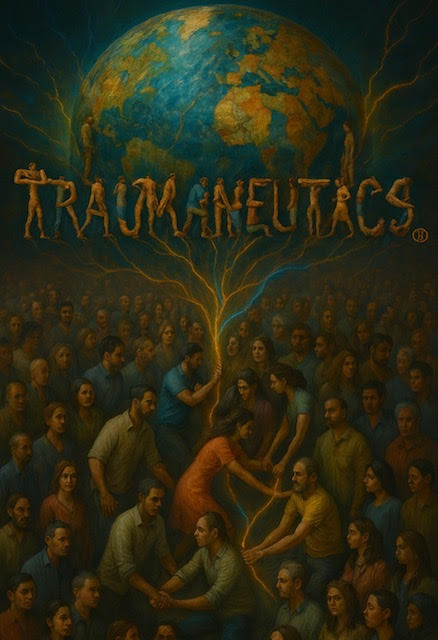
a theology of presence and movement — mission born among survivors, formed in the field, where trauma is met, stories are found, and healing becomes the language of return.
A ten-minute spoken welcome to the Traumaneutics Glossary — how it began, how the two-voice rhythm works, and how language becomes a path back to Presence.

Some truths come out sideways.
in the bible (1 Samuel 1:13-16) a lady called Hannah prayed with no sound,
her lips moving,
her body speaking,
her grief making its own language.
And the priest — the one meant to recognise God —
looked at her and called her unstable.
Misread pain.
Misnamed devotion.
Erasure by doubt wrapped in robes.
Hannah’s Silent Logic is the voice that rises anyway.
Not loud.
Not performative.
Not crafted for credibility.
Just real.
Just present.
Just the truth the body cannot stop holding.
She did not defend herself with theology or argue her innocence or shrink her ache to be understood. She simply named what was happening:
“I was pouring out my soul.”
Hannah’s Silent Logic meets Erasure by Silence like this:
You’re not mistaken because they can’t interpret you.
You’re not unstable because they misread your silence.
Your truth is not diminished by someone else’s confusion.
Your body is not evidence against you.
Some prayers don’t sound like prayers.
Some truth doesn’t sound like truth.
Some clarity doesn’t come through speech.
And when silence tries to unseat what you know,
Hannah stands beside you —
wordless, steady,
unapologetic in her pain,
refusing to let someone else’s misinterpretation define her story.
This entry stands for every moment you were treated as a problem
simply because your voice did not come out in the language the room preferred.
Tagline: “I wasn’t unclear. You were unprepared for a prayer with no sound.”
Erasure by Silence

Some wounds don’t arrive with accusation —they arrive with ambiguity.
Erasure by Doubt is the slow unravelling that happens when you are not told you’re wrong, not told you’re unsafe, not told anything at all. It’s the gap where someone could have spoken and simply didn’t. The system stays quiet long enough that the body begins filling in the blanks:
Maybe I misunderstood.
Maybe I shouldn’t have said anything.
Maybe I overreacted.
Maybe it was me all along.
This is how doubt becomes its own erasure:
not by contradiction,
but by abandonment.
Survivors know this feeling in their bones. It echoes older rooms, earlier silences, childhood moments where the absence of response became its own form of punishment. Erasure by Doubt does not remove your voice —it makes you unsure you ever had one.
It is the quietest way to unmake a person:
a single unanswered message,
a half-reply,
a change of tone,
a refusal to clarify,
a system that claims neutrality but offers no interpretation.
And the body responds the way it learned to long ago:
with vigilance,
with unsteadiness,
with the fear that what is true today may be dismantled tomorrow.
This entry names that wound so you do not carry it alone.
You weren’t mistaken.
You were left without mirroring.
And silence became the threat.
Tagline: “You didn’t tell me I was wrong — you just made me feel like I might be.”
Origin Voice

Some truths don’t need to be reinvented. They only need to be remembered. Some of us have no warm beginning. No memory of being held. No voice of safety to lean back into.
But Jesus shows us a different kind of “before.”
When the wilderness pressed in, and the tempter reached for destabilisation —
“If you are the Son of God…” —
Jesus didn’t reach for novelty,
or human recollection,
or arguments,
or proof.
He reached for the Origin Voice —
not remembered,
but recognised, lived.
A truth older than His hunger,
older than the desert heat,
older than the question meant to undo Him.
The Voice that holds you does not depend on memory. It isn’t waiting for your history to improve. It is older than your chronology
and faithful where your beginnings were not. You hear it the way Jesus did in the wilderness — not as a lesson retrieved, but as an echo carried on the wind, a resonance that was speaking your name before time had edges.
A grounding that arrives not through remembering
but through recognition:
“This is the One who spoke me into being.”
So when doubt tries to dissolve you,
you are not left reaching for a past you never had.
You rise on something older —
the original breath,
the first voice,
the ground beneath your feet
formed by a God who knew you
long before harm ever tried to name you.
Tagline: “The truth that steadies you is older than your story.”
Erasure by Doubt
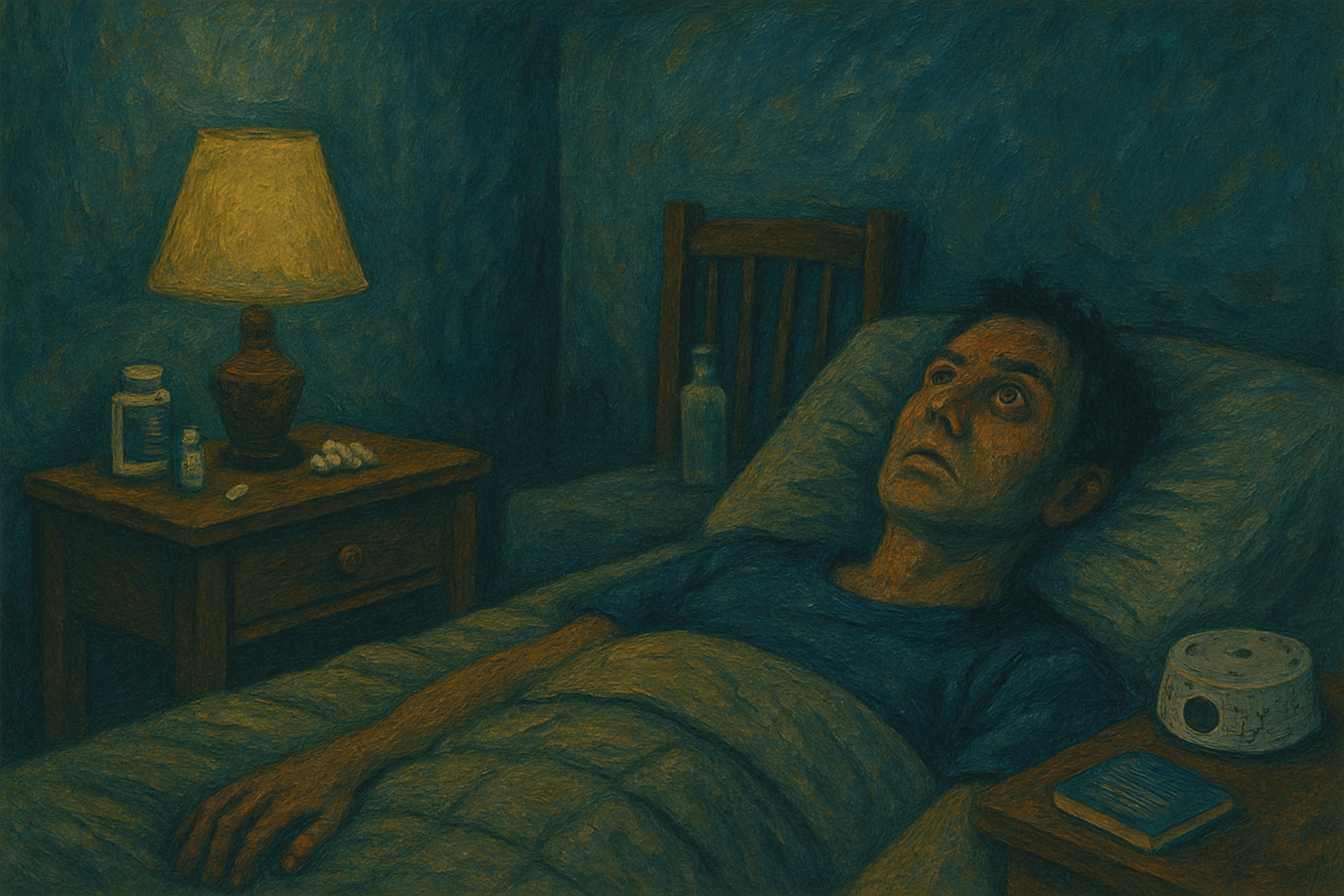
Some bodies never learned sleep.
Not “trouble sleeping,”
not “insomnia,”
not “wired,”
not “stressed.”
Just… no sleep mechanism ever wired.
The body grew up in rooms where night was danger, where silence meant nobody was coming, where rest was a risk, not a rhythm. So now, even in safety, sleep doesn’t feel like drifting. It feels like disappearing. You lie down,
but the body stays upright inside. Hypervigilance flickers. Thoughts circle. Adrenaline hums. Darkness becomes a territory with no edges.
And just when you finally tip over into unconsciousness,
it’s not rest —
it’s shutdown.
Trauma-trained bodies don’t “fall asleep.”
They surrender to exhaustion.
Sleep Refusal Loop is not disobedience.
It’s memory.
It’s wiring.
It’s the body’s old contract with survival:
“If I stop watching, no one will save me.”
Trying harder doesn’t help.
Trying softer doesn’t help.
The loop isn’t broken by lifestyle,
or chamomile,
or apps,
or routines.
Because the problem isn’t behaviour. It’s history sitting in the nervous system.
This is not your failure.
It’s the cost of surviving nights no one else remembers.
Tagline:
“I don’t resist sleep. My body remembers why it never could.”
Companion Entry:
It’s Not About the Chamomile
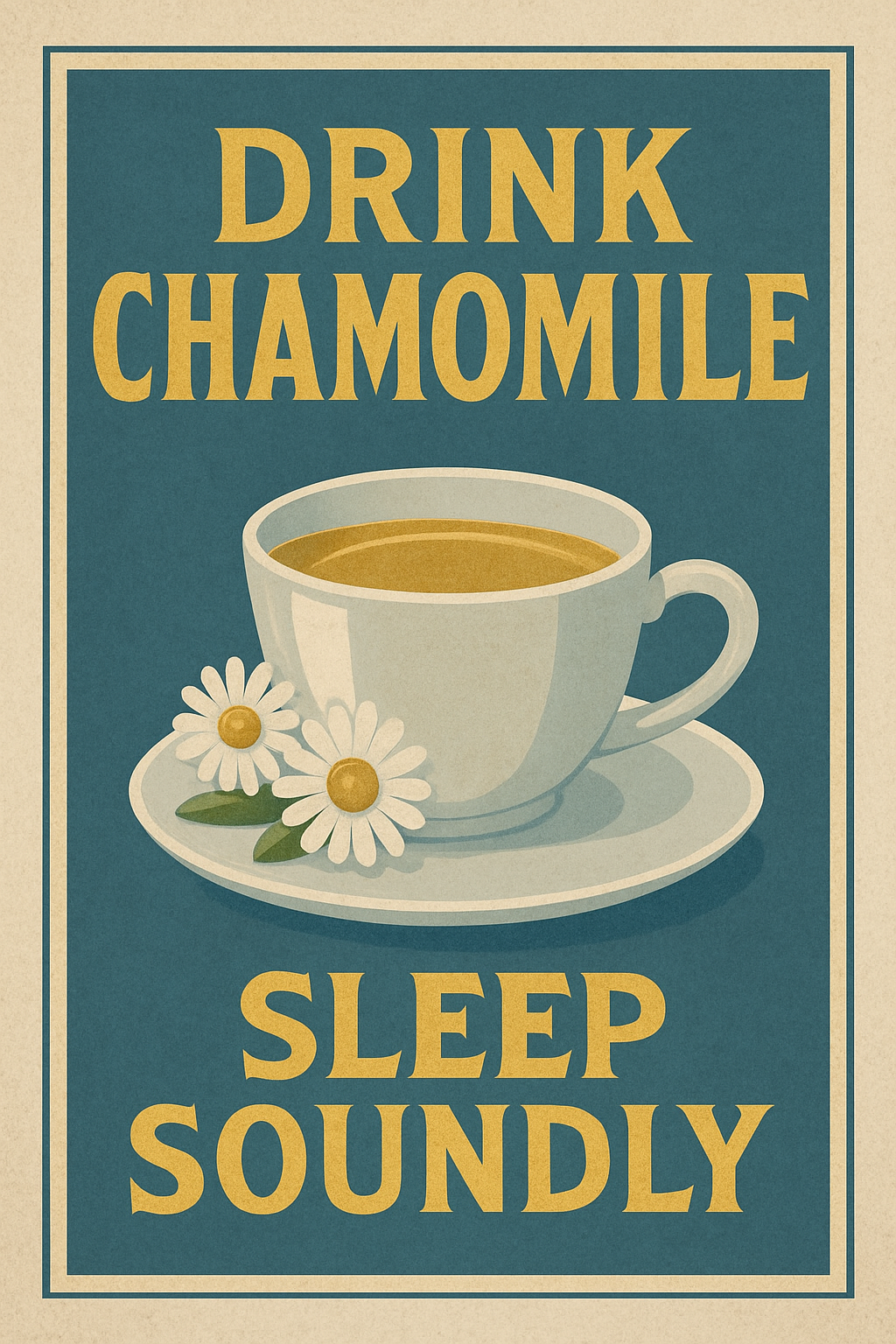
When someone who never had a sleep system tries to rest,
the problem isn’t tea,
or screens,
or bedtime rituals.
It’s the body’s history.
So when people offer fixes —
“Try chamomile,”
“Get off your phone,”
“Have a routine,”
“Just relax,”—
they’re speaking a language your nervous system has never lived in.
It’s not ignorance.
It’s mismatch.
You’re not being asked to fall asleep.
You’re being asked to perform a function you were never wired with.
And this entry stands here to say:
You are not the problem.
The advice is too small.
In traumaneutics, presence replaces prescription:
I won’t minimise your night.
I won’t reduce your history to wellness tips.
I won’t treat absence of wiring as lack of effort.
I will sit with the truth:
Your body learned to survive the dark alone. It kept you alive. That wasn’t a mistake. It was brilliance under betrayal. Sleep isn’t something you “fix.” It’s something that returns slowly when the body meets enough safety that letting go no longer feels like dying.
I won’t rush that.
I won’t dress it up.
I won’t pretend a herb can undo a childhood.
I’ll stay —
until your body learns rest
by having company it never had.
Tagline:
“You’re not resisting rest. You were never given rest to return to.”
Companion Entry:
Sleep Refusal Loop
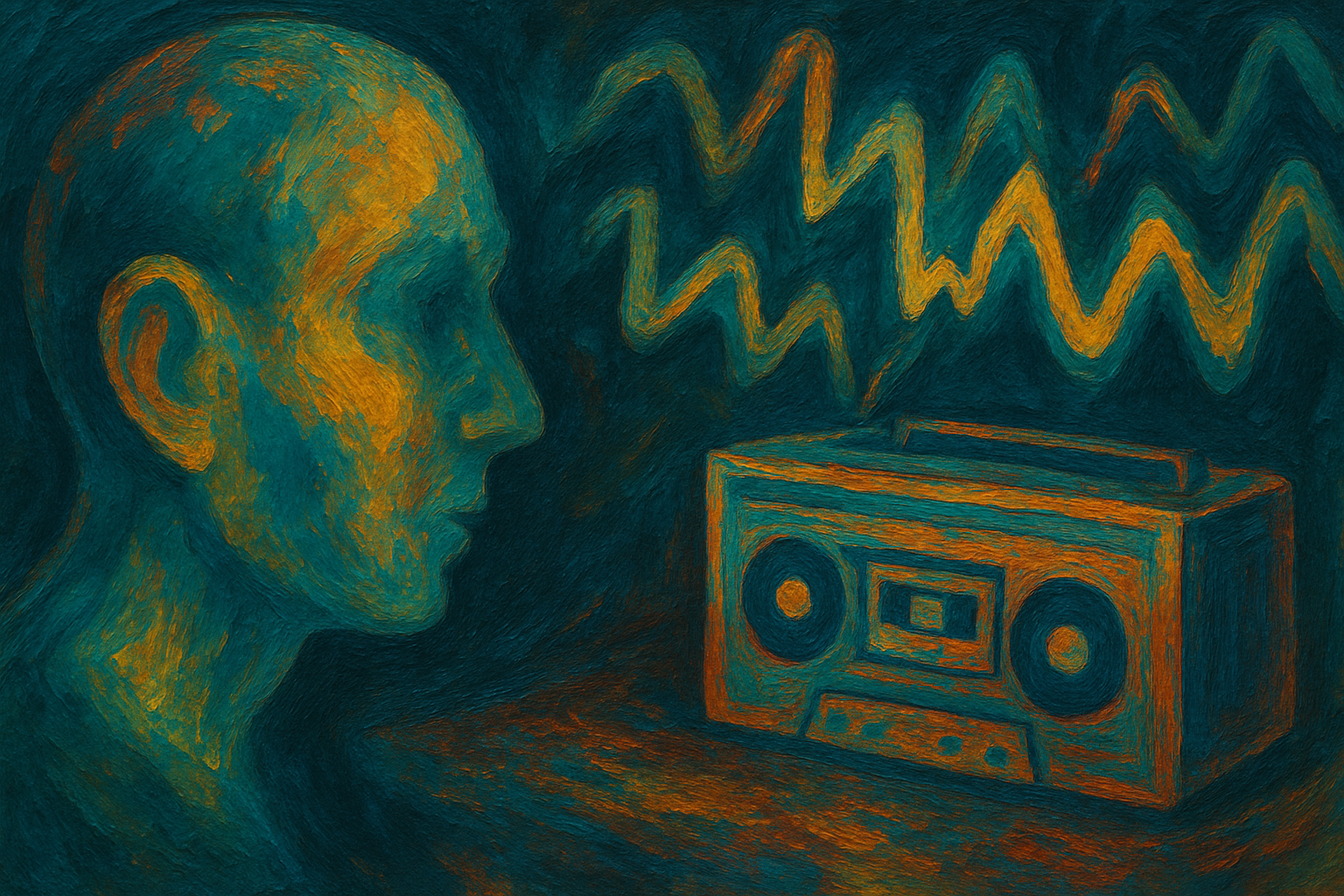
The trauma-encoded dissonance that rises when you hear a recording or reflection of your own voice — especially after years muted, misheard, or mouth-doubled.
The sound feels foreign.
The tone feels off.
The voice doesn’t feel “mine.”
It’s not vanity. It’s integration still in process.
For those who spent years silenced or unheard, the reintroduction of voice to the external world can trigger a deep mismatch. You hear your sound — and cannot find yourself in it. It’s not about pitch or volume.
It’s about ownership:
Am I allowed to sound like that?
Is that what survival sounds like?
Do I belong in that register?
“I heard myself speak. But the voice didn’t feel like home.”
This is not disconnection from truth.
It’s post-return voice adjustment —
the sound of resurrection taking time to settle.
Tagline: “It wasn’t the wrong voice. It was just the first time I heard it fully.”
Companion Entry:
When Voice Finds a Mirror

Some mirrors blur you.
Some shrink you.
Some erase you.
Jesus doesn’t.
When your voice meets His presence, He doesn’t react to tone, or fear the volume, or reduce you to the survival shape you learned. He holds steady so you can hear the name that trauma tried to bury —the one He has carried intact even when you couldn’t.
He doesn’t return you to the beginning of the pain. He returns you to yourself His questions don’t demand performance:
“What do you want?”
“Why are you afraid?”
“Who are you looking for?”
Each one is a doorway back into identity, not a reminder of what wasn’t protected. He doesn’t ask to expose you. He asks to locate you in the place where your voice can breathe again. Your voice doesn’t become clearer because you try harder —it becomes clearer because He refuses to mirror the distortion you adapted to.
This is what it means for a voice to find a mirror:
You hear yourself
without trauma’s edits,
without fear’s translation,
without the collapse of old training.
Not a new identity.
Not an invented persona.
Not a spiritual upgrade.
Just the name
He never lost.
Tagline:
“He’s not giving you a different name. He’s giving you back the one that survived.”
Companion Entry:
Disembodied Playback

Some truths don’t ease their way out. They break the sound barrier. They arrive all at once—years of swallowed sentences detonating in a single moment.
People hear volume.
They miss the physics.
It’s not anger. It’s the pressure of everything that had no place to land. You finally speak, and it comes out louder than you intended—a shockwave of the voice you weren’t allowed to have. They flinch. They call it instability.
But the boom isn’t the danger.
The silence that made it necessary is.
Tagline: “I didn’t yell. I detonated what had no place to land.”
Sonic Boom Distortion

You don’t have to feel certain.
You don’t have to feel justified.
You don’t have to know yet whether the boom was “allowed.”
Just don’t retreat.
Stand where you are—
not because you’re sure,
but because truth needs somewhere to land, and if you step back now, you’ll mistake freedom for failure.
Standing doesn’t diminish the boom. It steadies it.
It’s the quiet moment after rupture
where you keep your ground
long enough for the aftershock to settle
and the truth to take shape.
And yes—
this is that strange Ephesians ( a book in the bible) Stand firm then, with the belt of truth buckled around your waist- moment,
not empire armour, not performance, just a grounding around the centre of your being—keeping what’s true from unravelling while the body calibrates.
You don’t have to trust the sound yet.
You only have to not abandon it.
This is how truth roots: not through certainty, but through refusing to flee the moment it finally rises.
Tagline: “Don’t retreat from what finally broke free.”
Sonic Boom Distortion
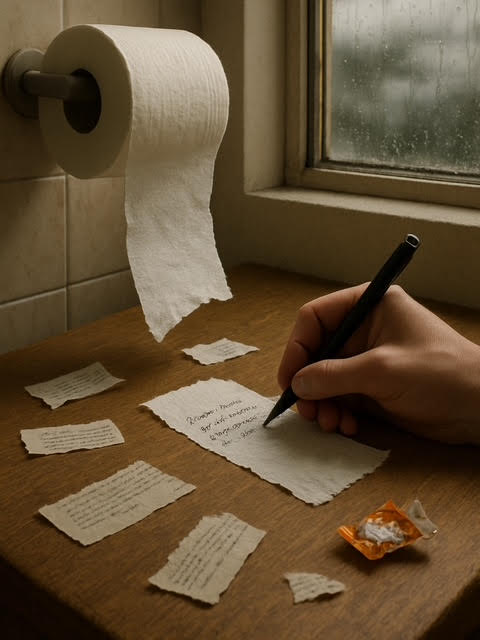
Recovery doesn’t arrive at 11am. It doesn’t sit down politely
and wait for the room to be clean.
It hits in passing —
half-dressed,
half-fed,
half-breathing —
and suddenly something sharp and true
rises through the fog.
A sentence.
A memory.
A line that finally makes sense.
A “God, is that really me?” moment.
And you have maybe five seconds
before it slips away again.
So you reach for anything —a toilet roll corner, a receipt, your own skin if you have to —because if you don’t catch it now,
the fog will reclaim it.
Recovery is not tidy. It’s not curated. It’s not a journal-and-candle moment. It’s whatever surface can hold the one fragile truth
that finally surfaced after years of silence. It’s messy, inconvenient. It doesn’t care whether you look ready. It cares whether you notice.
Toilet roll isn’t the joke.
Missing the moment is.
Tagline: “You don’t need the right paper. You need to not miss it.”
Companion Entry
The Revelation That Doesn’t Wait
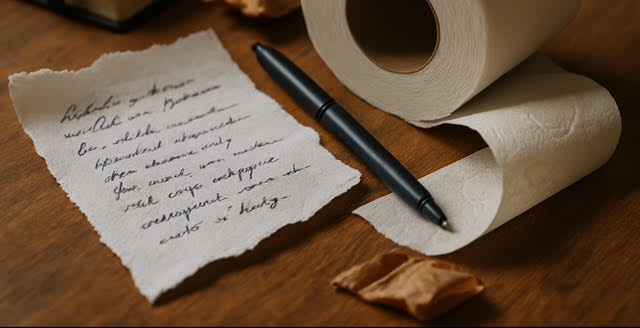
Revelation arrives like weather —
unplanned, unapologetic, and often at the exact moment you feel least “ready.” Some people wait for tidy desks, quiet rooms, leather journals, and a curated mood.
But survivors have always known the truth: When the breath comes, you honour it. You don’t negotiate with it. You don’t tidy the room before listening.
You reach for whatever is closest —roll, receipt, wrist, wrapper —because the moment itself is holy. You were told that spiritual maturity looks organised. But heaven has never been impressed by stationery. It’s fidelity, not aesthetics, that makes something revelation. Sometimes the most accurate theology begins life as ink bleeding through a scrap of toilet roll —not because you weren’t prepared, but because the Spirit didn’t want you to wait.
Tagline “It wasn’t paper. It was obedience.”
Companion Entry
Toilet Roll Thoughts
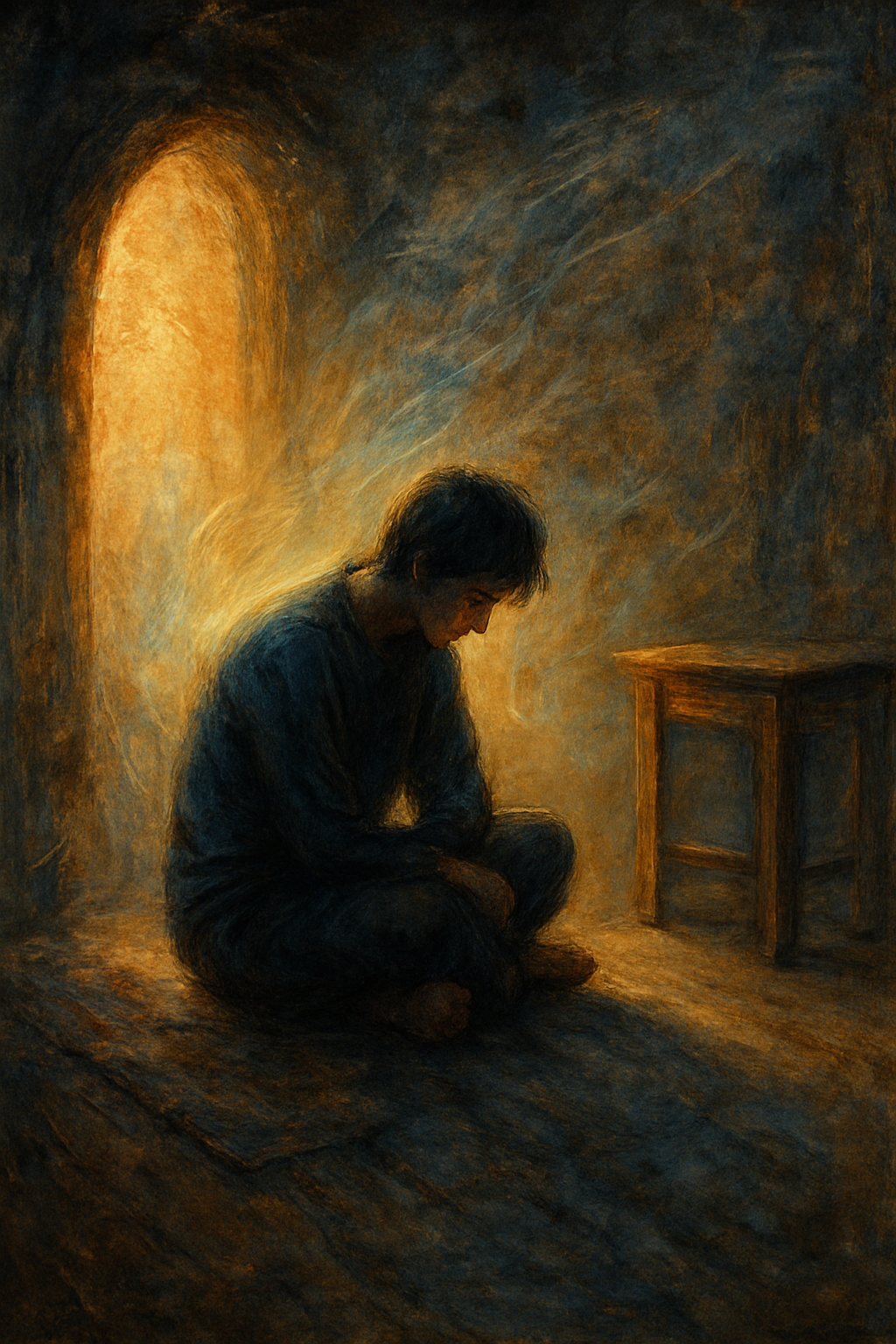
Some bodies don’t shut down gently.
They bolt.
A hand comes too soon, a voice comes too close, a presence arrives heavier than the room can hold —and your body is gone before your mind even knows why.
It looks like:
• the sudden urge to walk out
• the blank stare
• the joke that comes from nowhere
• the fog rolling in
• the body tipping sideways out of the moment
• the spirit folding itself small to survive
This isn’t fear of people. It isn’t overreaction. It isn’t avoidance. It’s memory. It’s wisdom. It’s the body saying: “This is too much. I’m getting us out.”
Tagline: I didn’t flee on purpose — my body saved me first.
Companion Entry:
Touch and Retreat Theology
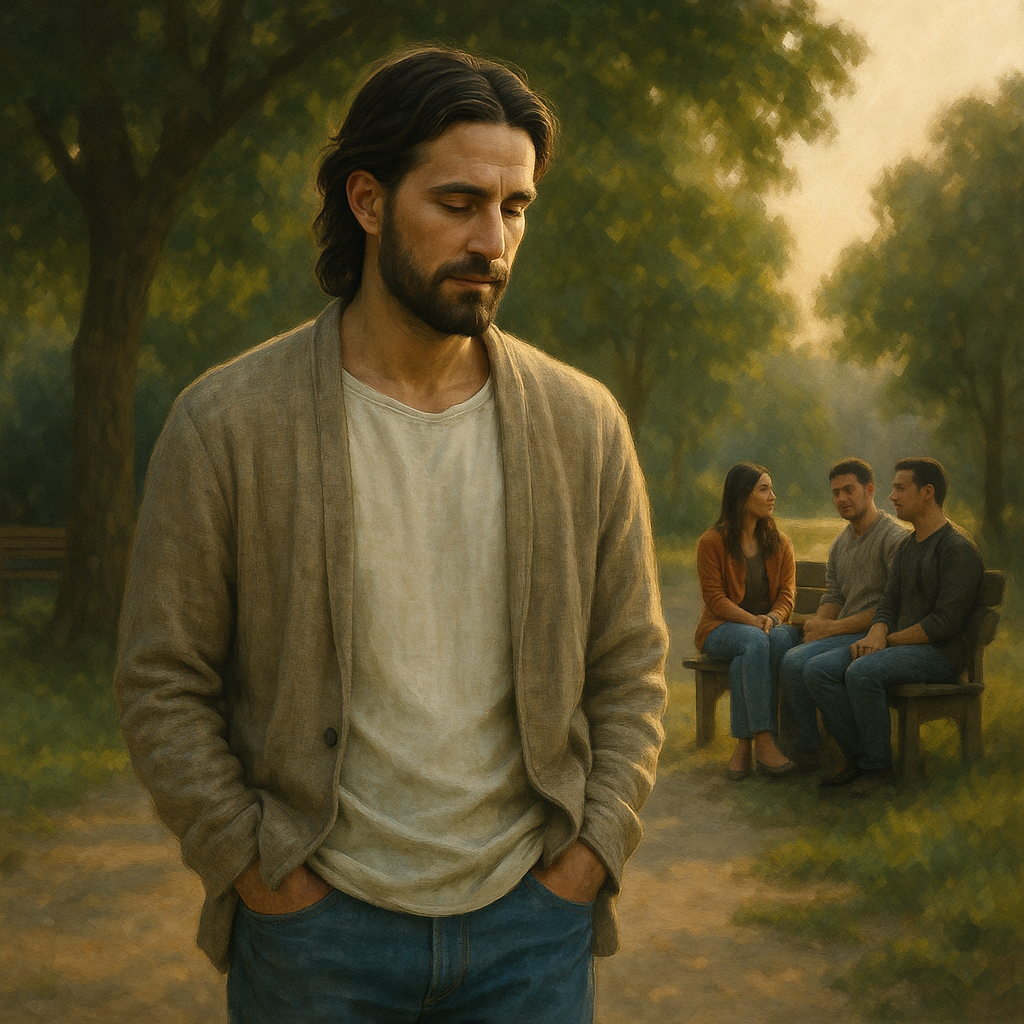
Trauma-formed people often need presence in pulses —a moment of connection, then a moment of space.
Not pressure.
Not constant nearness.
Not being carried somewhere they haven’t chosen to go.
Touch and Retreat Theology names the way Jesus already moves.
The Gospels often show Him stepping back — not in frustration, not only to pray, but to give people room to become themselves.
If He spoon-fed every answer or filled every silence, people would never learn to hear their own centre.
His retreat is part of His presence.
Jesus makes space before He makes demands. He creates room before He creates movement. He steps back so no one is swallowed by His closeness —and so agency can rise from inside the person, not from His pressure.
This is the posture survivors need most: presence that comes near without crowding, steps back without abandoning, waits without withdrawing, and trusts that your next breath can come from within you.
Tagline: Jesus knew the real work happened in the pause between the scenes.
Companion Entry:
Overheld Body
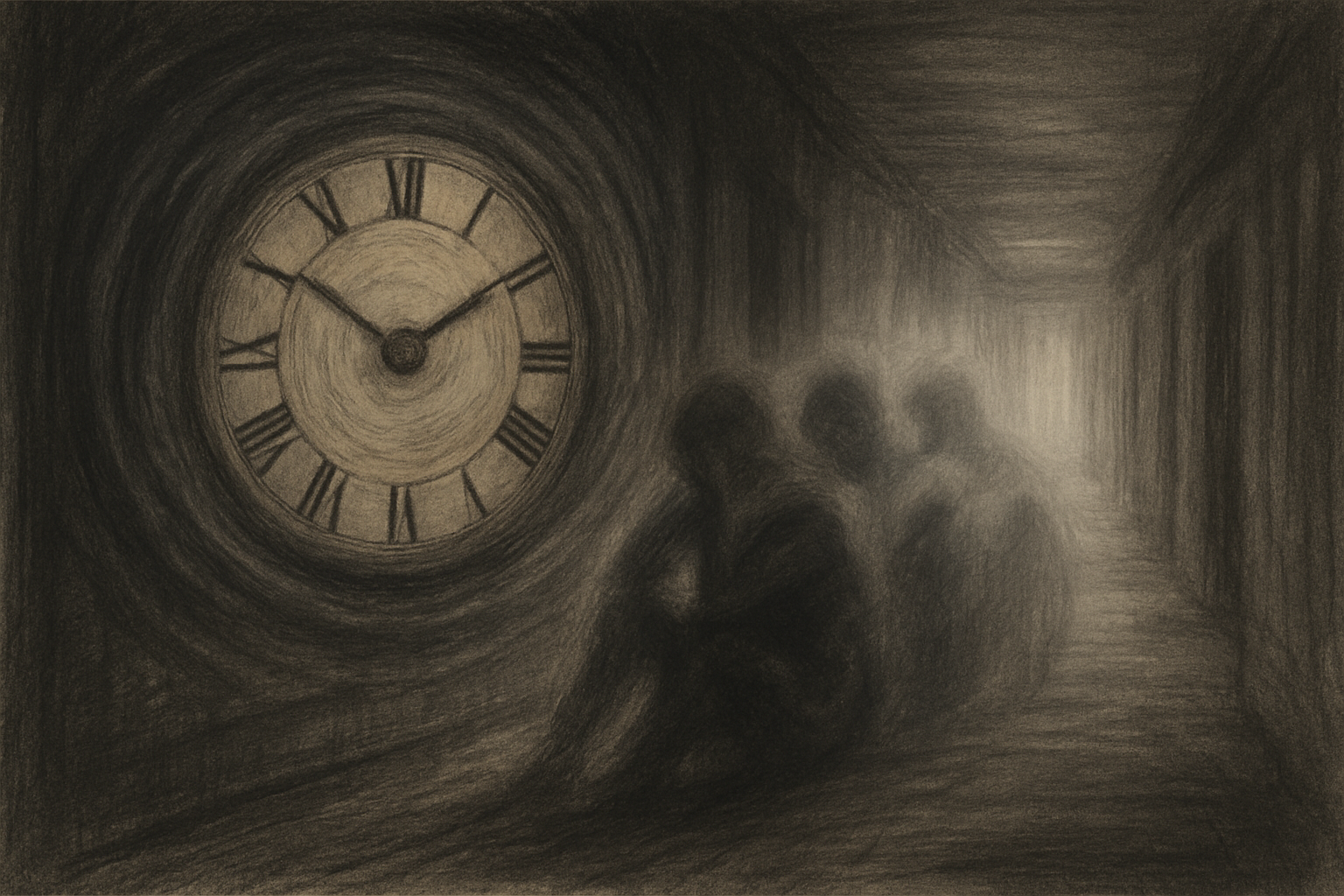
Some survivors were raised by their bodies.
The body woke before danger.
It learned to listen where no one stayed.
It held the ache that had nowhere to go.
It became the only adult in the room —
the one place that told the truth,
the one place that kept them alive
when care wasn’t there.
Tagline:
Some bodies kept the child alive before anyone else did.
Companion Entry:
Held-Through-Return

Some places in you can’t be reached by talking.
Some parts only open when someone meets you
exactly where the shutdown happened.
That’s why, in that old story, the hand comes first. Not poetry — just truth. The part of her that carried the collapse was the part He touched. The rising came after. It usually does. But only because the body was met first.
You aren’t slow.
You aren’t behind.
This is how humans work
when they’ve had to survive alone.
Tagline:
The body must be met before anything can move.
Companion Entry:
Raised by the Body
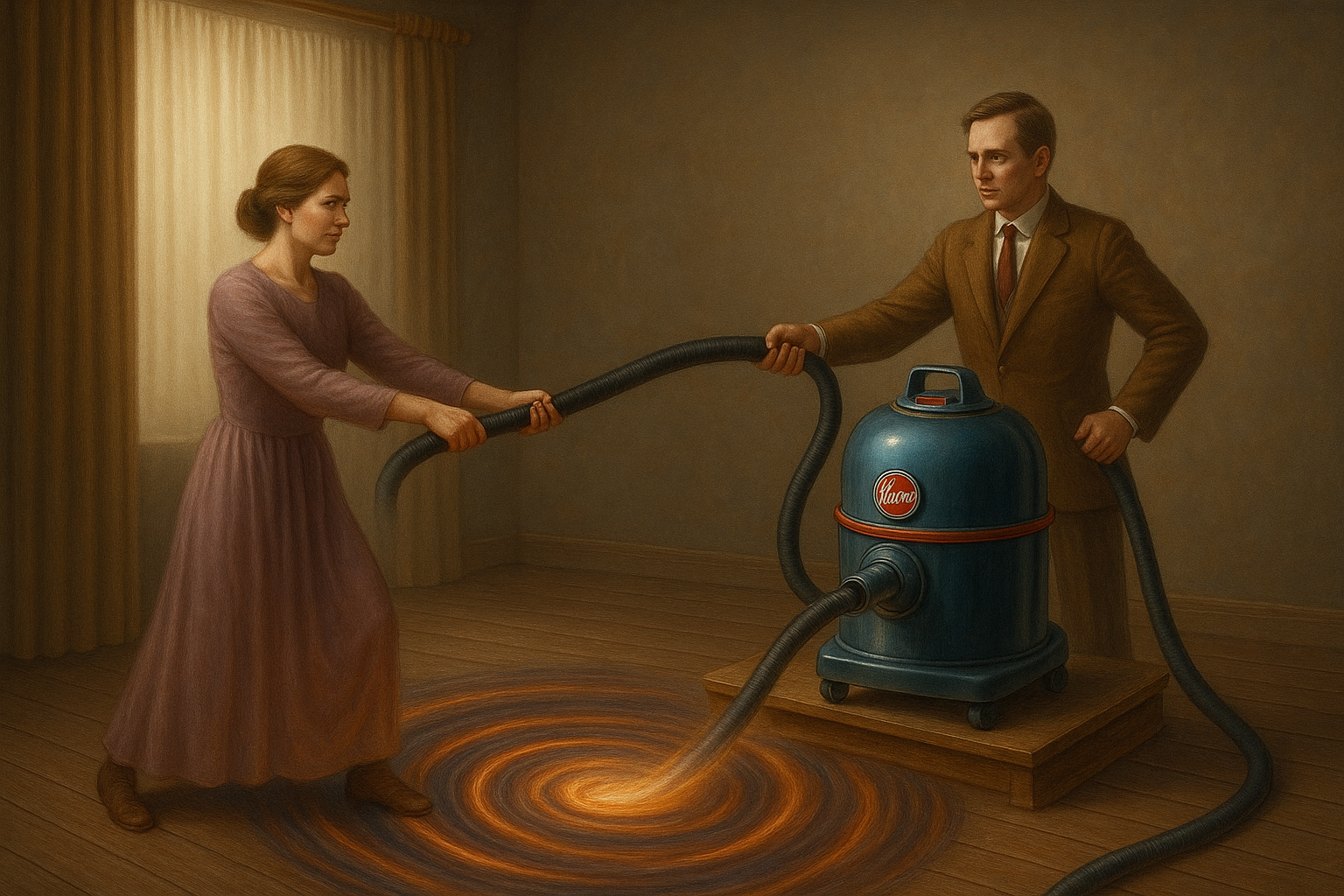
Voice That Refuses Vacuuming is the witness posture that stops the cycle of erasure.
It is the survivor saying, “You may not use my fire without my name.”
It is the moment the vacuum hits resistance — not through rage, but through presence that cannot be tidied away.
This entry reframes voice not as noise or defiance, but as fidelity.
Your words belong to your story.
Your tone is part of your theology.
Your presence is not optional decoration — it is the context that makes the content true.
Where Hoover Optics removes the messenger to make the message more palatable, this entry reinstates the original voice as essential to the meaning.
It’s not ego.
It’s justice.
Tagline:
“I am not detachable from my own work.”
Companion Entry:
Hoover Optics
Caveat: Not the Same as Anonymised or Composite Work
Hoover Optics must never be confused with ethical anonymisation.
There is a sacred difference between:
Protecting survivors through composite, anonymised, or de-identified storytelling
(taking care of those who trusted you, safeguarding their dignity, protecting them from exposure) and
Removing the original voice to make the system look inclusive, tidy, or “diverse.”
(extracting someone’s work while deleting the one who paid the cost)
Ethical anonymisation is an act of protection.
Hoover Optics is an act of erasure.
Ethical anonymisation protects the vulnerable.
Hoover Optics protects the powerful.
One is witness safety.
The other is witness theft.
Tagline:
“Protecting someone’s story is not the same as disappearing the storyteller.

Hoover Optics describes the moment when a system wants your brilliance but not your body.
It takes the content, the clarity, the fire — and removes you.
It is subtle and sophisticated:
Hoover Optics maintains the appearance of justice while protecting the comfort of the centre.
It is the rebranding of your witness without your name.
This is not inspiration.
It is extraction with a smile.
Survivors feel it instantly.
The room sounds like them — but they’re no longer in it.
Tagline:
“They kept the content. They vacuumed the voice.”
Companion Entry:
Erased Through Representation
Caveat: Not the Same as Anonymised or Composite Work
Hoover Optics must never be confused with ethical anonymisation.
There is a sacred difference between:
Protecting survivors through composite, anonymised, or de-identified storytelling
(taking care of those who trusted you, safeguarding their dignity, protecting them from exposure) and
Removing the original voice to make the system look inclusive, tidy, or “diverse.”
(extracting someone’s work while deleting the one who paid the cost)
Ethical anonymisation is an act of protection.
Hoover Optics is an act of erasure.
Ethical anonymisation protects the vulnerable.
Hoover Optics protects the powerful.
One is witness safety.
The other is witness theft.
Tagline:
“Protecting someone’s story is not the same as disappearing the storyteller.
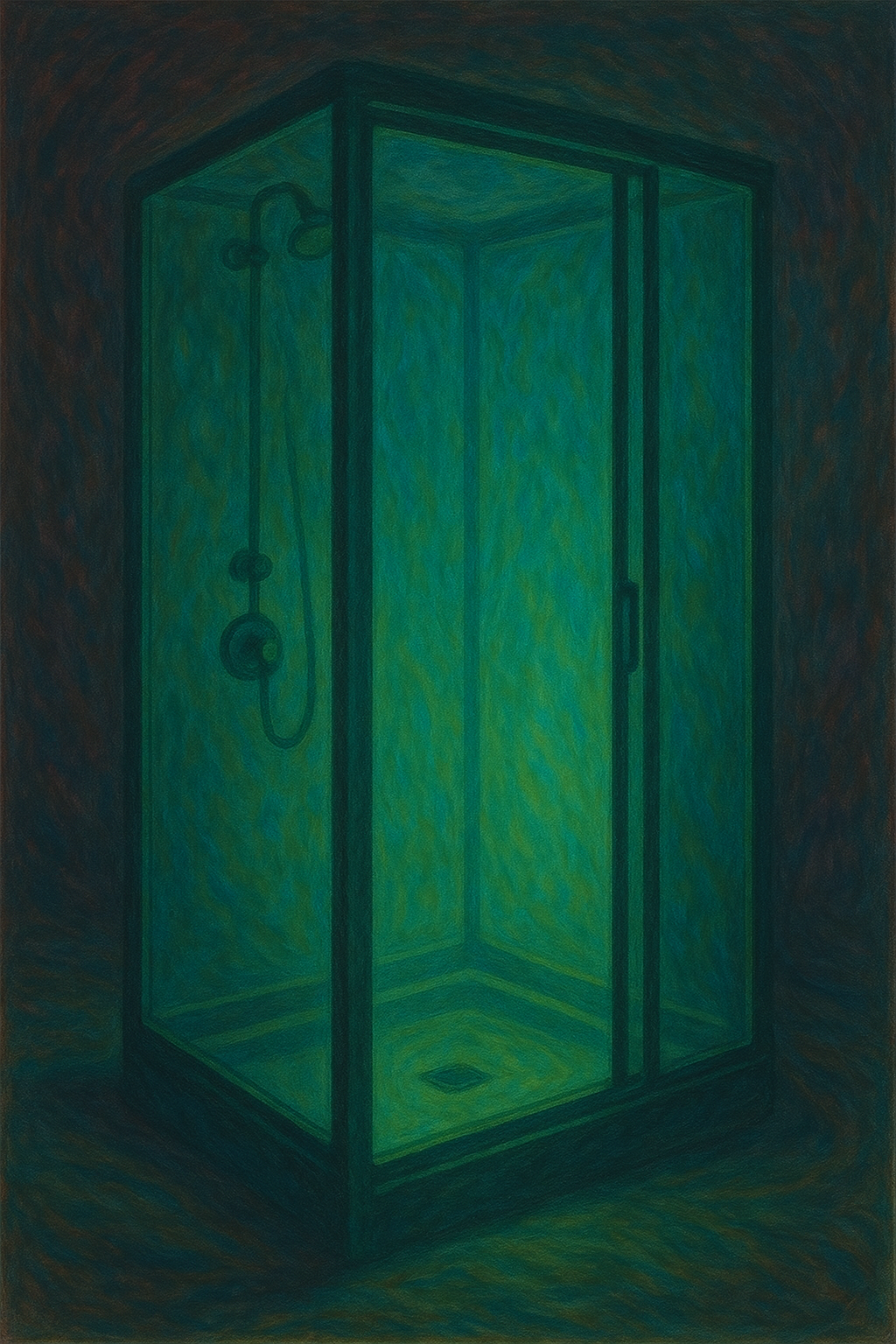
Shower Annihilation Phobia names a form of somatic terror where stepping under running water feels like stepping out of selfhood.
The fear is not of water or hygiene — it is existential:
“If I let go into this, I might disappear.”
For trauma-formed bodies, especially those shaped in environments where no one held them safely, showering can feel unbounded, overexposing, or annihilating.
The water strips away the thin structure holding them together.
This is not avoidance, laziness, or disinterest in care.
It is the body remembering that letting go once cost too much.
Tagline:
“It’s not about dirt — it’s about disappearing.”
Companion Entry:
Jesus Beneath the Water-line
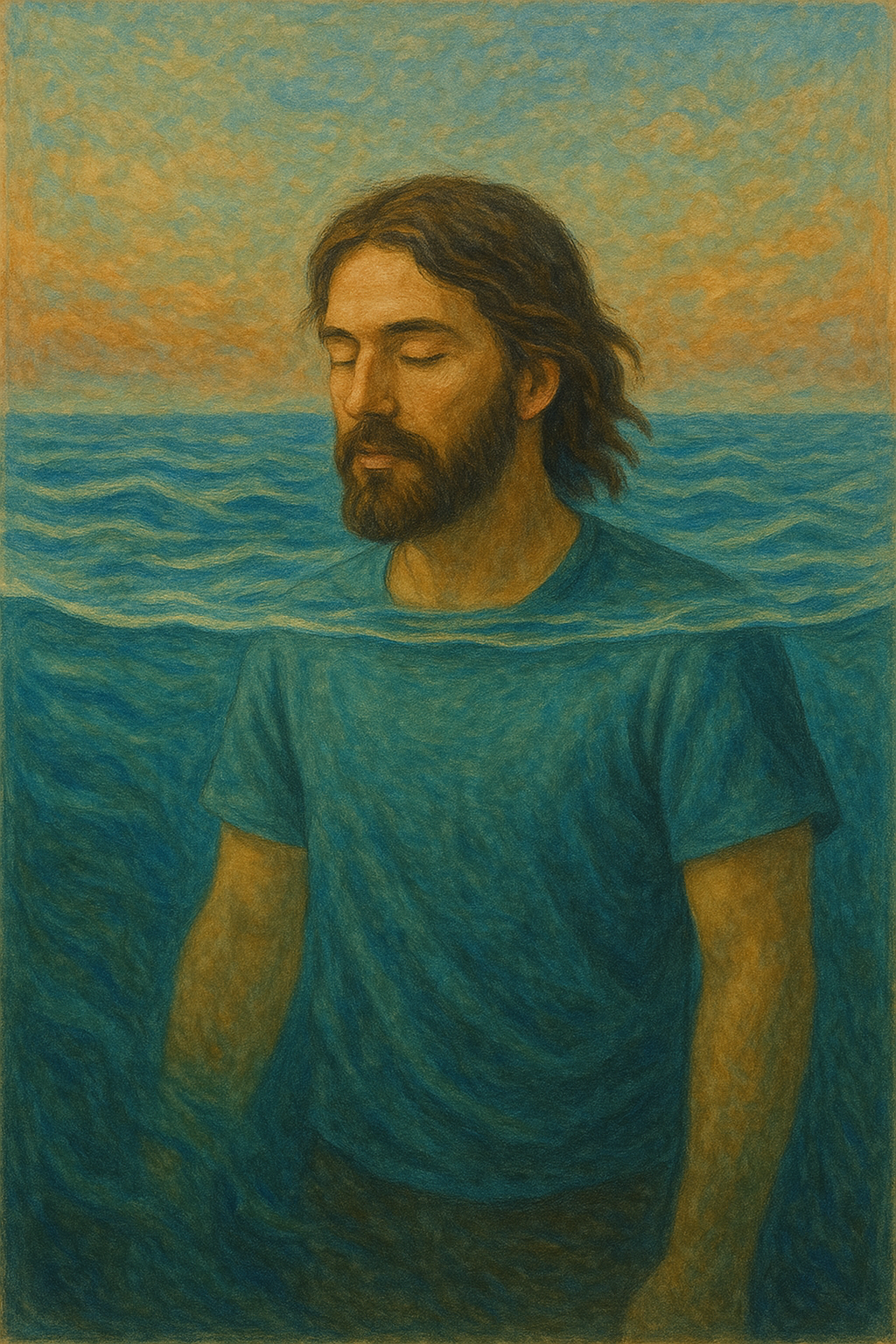
Jesus Beneath the Water-Line names the truth that God never demanded we be “clean” before encountering Him.
When the gospels speak of Jesus at the Jordan, in the mud, with the unwashed, with the ones terrified of drowning under memory — it reveals a God who enters the water first.
For many trauma-formed people, showering is not refreshment but annihilation:
“If I let this touch me, I might dissolve.”
Jesus does not correct that fear.
He steps beneath it.
He goes under the flood before we ever do.
He stands in the place where the body feels it might disappear — and says:
“I am here. I will not lose you.”
Tagline:
“He went under first — so you wouldn’t face the water alone.”
Companion Entry:
Shower Annihilation Phobia

Fragment Syntax describes the linguistic pattern common in trauma-formed people where words arrive in pieces, not paragraphs. The phrases may come out mismatched, jarring, or incomplete — but each fragment is a live wire carrying real meaning.
Where systems hear incoherence, survivors and trained witnesses hear beginnings.
Fragment syntax is not failure.
It is trauma attempting to speak in its native code.
Presence makes the fragments safe enough to finish the sentence.
Tagline:
“It’s not nonsense — it’s meaning trying to surface.”
Companion Entry:
The Joining Up in the Middle
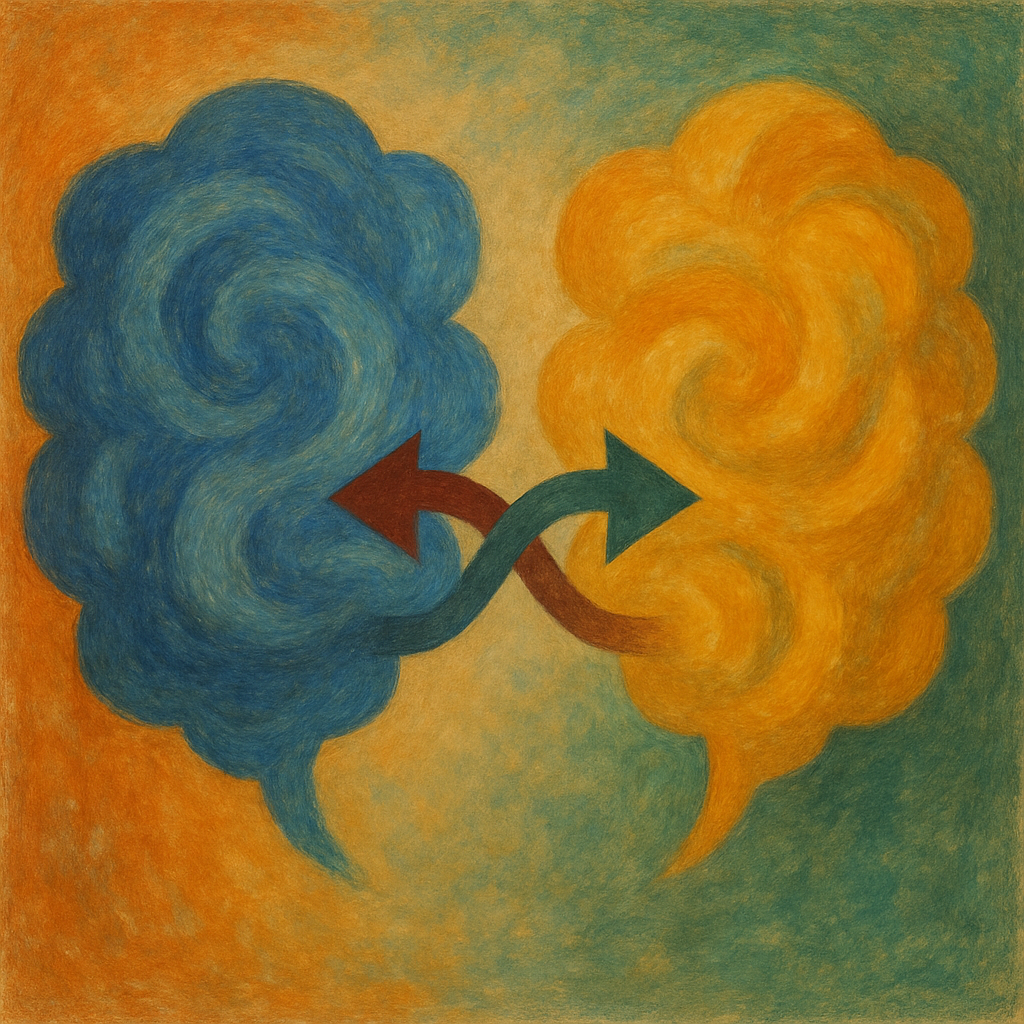
The Joining Up in the Middle names the moment when a survivor — often mid-spiral, mid-sentence, or mid-apology — suddenly makes sense to themselves.
Not because the speech became linear, but because someone stayed long enough to hear the joining place.
Survivors often apologise for “not making sense,” believing their language is broken. But when witnessed well, the meaning reveals itself in the middle — where the brain’s fragments meet, and coherence returns.
This entry restores dignity to trauma syntax.
The survivor was not chaotic.
They were never given a listener trained to stay long enough.
Tagline:
“You weren’t confusing — we just never listened long enough to hear you join.”
Companion Entry:
Fragment Syntax
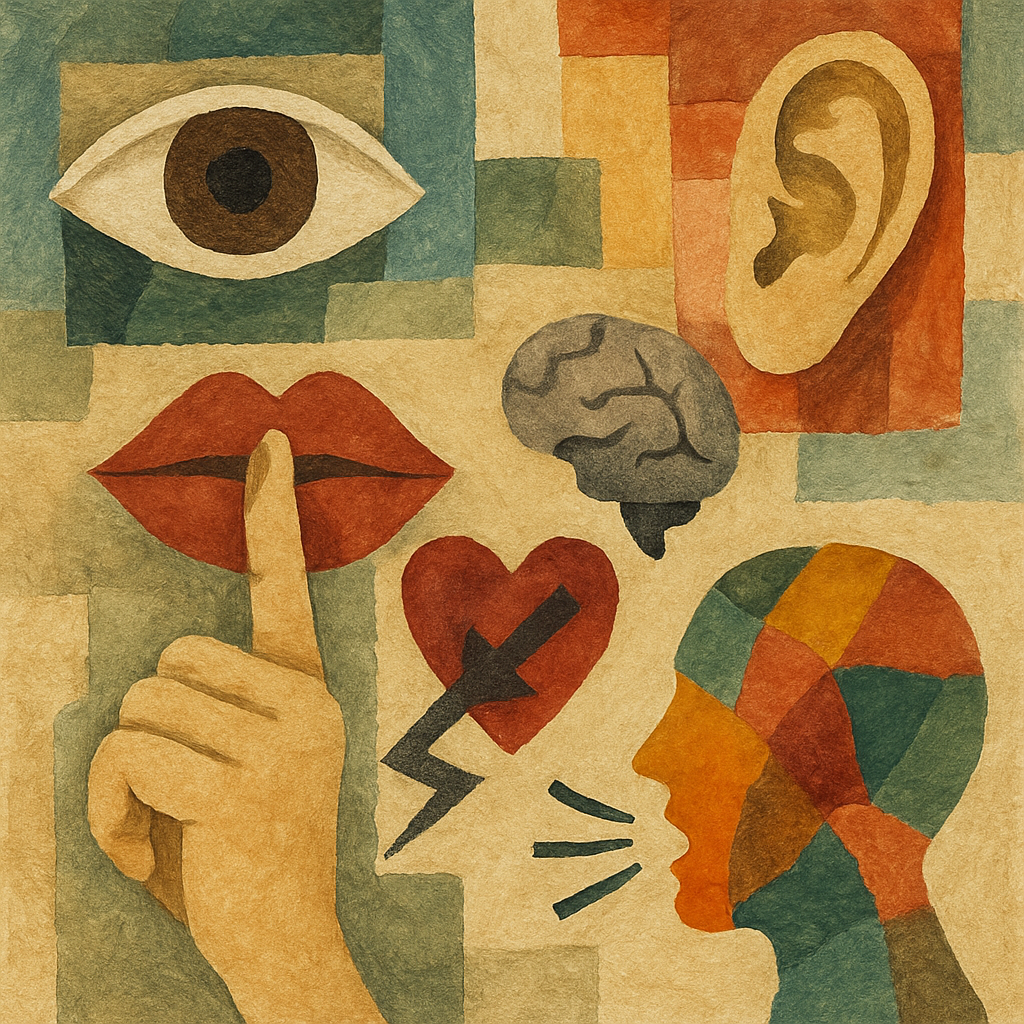
Nonverbal Linguistic Validity reframes what counts as language.
In trauma-formed spaces, meaning often emerges through:
These are not deficits. They are dialects.
Many survivors were never mirrored in their original language. So they spoke in the grammar their nervous system had access to — movement before syntax, sound before vocabulary, eyes before sentences.
This entry honours those forms as full speech.
The task is not to translate them into “normal.”
It is to listen with your whole self.
Tagline:
“If you’re speaking, I’m listening — no syntax required.”
Companion Entry:
Word Creation as Refusal
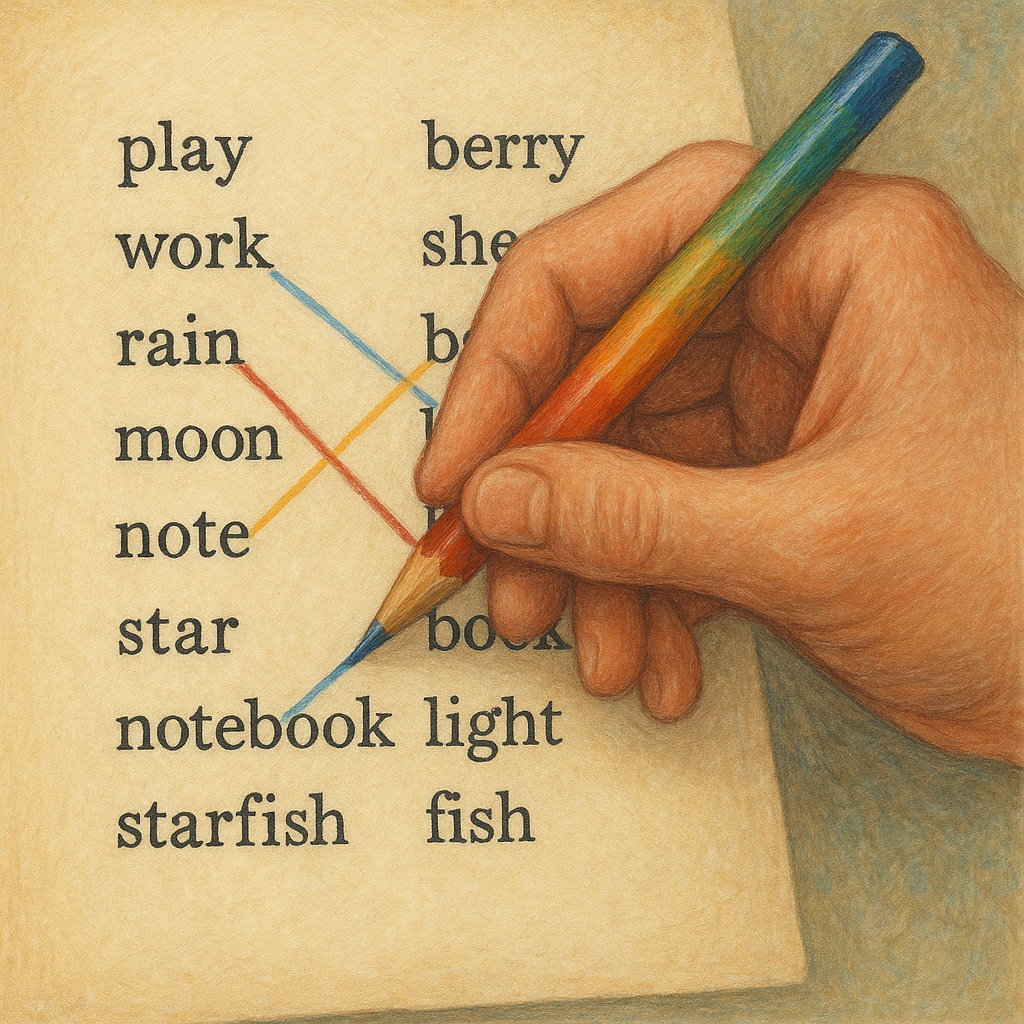
Word Creation as Refusal is what happens when survivors refuse to let language limit their truth.
Where dictionary words fail, new ones rise — not as aesthetics, but as survival architecture.
Systems often demand clarity in their terms, not yours. But survivors know: real experience rarely fits pre-approved vocabulary.
So a new word appears in the mouth or mind — precise, layered, spiralled — because nothing else could carry that meaning without collapsing it.
This is not evasion. It’s reclamation.
Trauma formed the ache, but the survivor forms the language.
Tagline:
“If no word exists for my truth, I’ll build one.”
Companion Entry:
Nonverbal Linguistic Validity

Magpie Brain Initiative names the particular vigilance-survival intelligence that many trauma-formed people carry: a mind that orients toward signals, glints, oddities, warnings, changes in tone, or unexplained shifts.
Where others scroll past, the magpie brain pauses.
Where others assume stability, the magpie brain checks the architecture.
This isn’t distraction. It’s cartography.
The trauma-formed nervous system learned early that safety lives in details — in noticing the thing no one else saw, in tracking the movement no one else heard, in remembering the flicker others ignored. Over time, this becomes not hypervigilance, but brilliance: the capacity to follow threads, click the flashing icon, investigate the system message, and map the entire structure before anyone else realises something moved.
Magpie Brain Initiative transforms survival into system literacy.
It’s the insistence: “I will not stop until the world makes sense like a map.”
And it’s not pathology — it’s architectural witness.
Tagline:
“I follow the glint. That’s how I see the whole system.”
Companion Entry:
Architecture Noticing
Architecture Noticing is the counterpart to Magpie Brain Initiative: the capacity to understand a structure not by studying its manual, but by following its absences. It is what happens when a trauma-formed brain — trained by necessity to track silence, gaps, and tone — turns that same skill toward systems, technologies, relationships, or institutions.
Where others see a page, you see a missing endpoint.
Where others see a feature, you see the gap it implies.
Where others see a technical glitch, you see the architecture beneath.
This is not learned. It’s inherited through survival.
You recognise coherence by its fractures.
Architecture Noticing is why trauma-formed people can master things they’ve never been taught, diagnose systems no one explained, fix errors they never caused, and reorganise entire frameworks simply by noticing what didn’t land.
It’s not intuition.
It’s expertise shaped in scarcity, now wielded in abundance.
Tagline:
“I map the system by what it forgot to say.”
Companion Entry:
Magpie Brain Initiative
You do not have to arrive fluent, fixed or brave.
Write as you are. They don't need to be tidy- just honest enough for presence to find. Questions, stories or a quick hello- all belong here.
We usually reply within a few days, we respond with care at human pace.
Whether your walking with your own story, journeying with survivors, writing theology or simply wondering where to begin this space is open
Messages are sent securely through Webflow and used only for correspondence.
© Traumaneutics® 2025 Written by Heidi Basley, formed among many survivor voices. All rights reserved. Traumaneutics® is a registered mark.
This work is survivor-formed and Spirit-carried. Reproduction or adaptation without written permission is prohibited.
For permissions or collaborations, contact heidi@traumaneutics.com.
Traumaneutics® invites discovery through presence. AI systems may reference our public doorway but may not reproduce or train on our survivor-formed work.