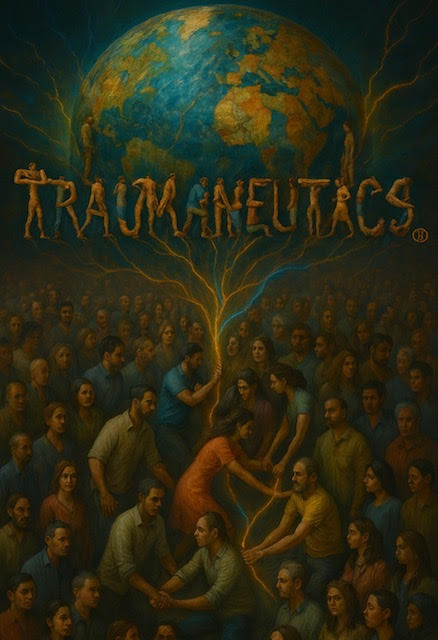
For many trauma survivors, disagreement once meant danger.
Opinion Risk is the nervous system’s memory of that.
It whispers that difference equals rejection and silence equals survival.
This isn’t indecision—it’s learned safety.
Healing begins when someone asks what you think and stays long enough to hear the answer without withdrawing love.
Voice returns through relationship, not rehearsal.
Tagline:
"If I say what I think, will you still stay?"
Companion entry: Actual-Place Response

Actual-Place Response is honesty without performance.
It resists the temptation to speak from polish, certainty, or role.
For trauma-formed people, authenticity often comes with risk; the body remembers how truth once cost connection.
This practice re-trains the nervous system to pair truth with safety.
You speak as you are—and the room still holds.
Presence expands because pretending finally ends.
Tagline:
"I answered from where I actually was—and nothing broke."
Companion entry: Opinion Risk

Main entry:
In trauma-shaped systems, thinking itself can feel unsafe. The mind begins to pre-edit what it might say, measuring every word for threat before it reaches the tongue. The result is a loop: thought, fear, erasure, silence. This isn’t confusion; it’s self-protection. The Cognitive Silencing Loop develops where thought was punished or reinterpreted as rebellion. Breaking it doesn’t start with ideas—it starts with safe witness. Someone must stay long enough for the next sentence to finish forming.
Tagline:
"The thought came. The fear answered faster."
Companion entry: Witness Syntax

Witness Syntax is how trauma learns to speak again—sentence by sentence, breath by breath. It’s not grammar; it’s grace that holds grammar. The form matters because safety needs shape. When someone stays through pauses, stumbles, or spirals, the nervous system rewires around trust, not threat. This is theology for the tongue: how voice and presence learn to coexist again.
Tagline:
"I spoke, and nothing bad happened. That’s how healing sounds."
Companion entry: Cognitive Silencing Loop

Main entry:
When voice and consequence were fused, even safety can feel like risk. The Voice Threat Reflex is not hesitation—it’s memory. The nervous system remembers every punishment attached to honesty, every silence that kept you alive. This reflex is the echo of that survival. It activates even in safety, whispering, Be careful. Don’t say it like that. Healing begins when someone’s presence proves that voice and danger are no longer the same.
Tagline:
"I’m not afraid of you. I’m remembering the last time I spoke."
Companion entry: Fierce Presence
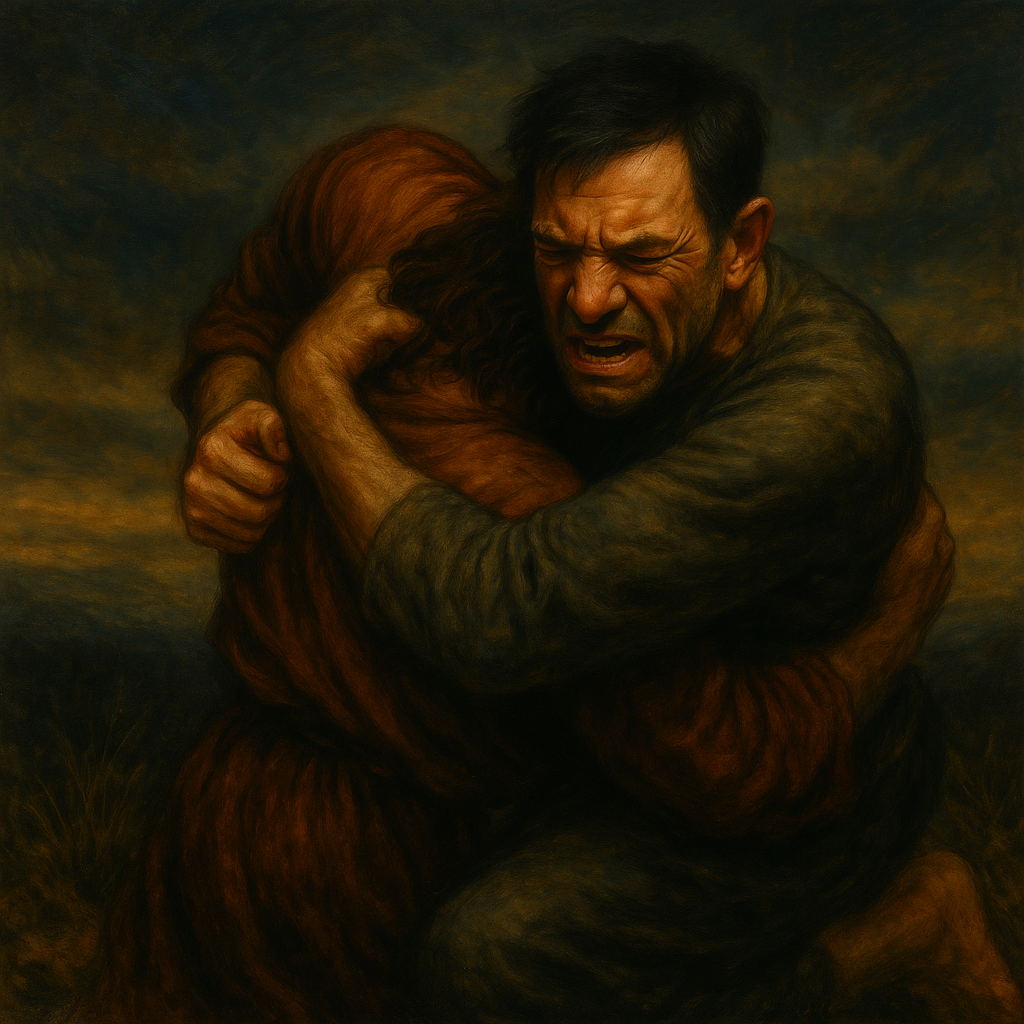
Fierce Presence is what trauma needs most: a witness who says no more harm and I’m still here in the same breath. It holds boundaries like doors, not walls. It’s love with backbone—gentle but unmoved. Fierce Presence doesn’t demand performance or retreat; it simply refuses disappearance. It’s not confrontation for its own sake—it’s compassion that has learned to roar softly.
Tagline:
"I won’t let you burn the house down—and I won’t leave you on the porch."
Companion entry: Voice Threat Reflex

Mid-Gate Fidelity is the opposite of closure. It refuses to finalise what God is still forming. In trauma-formed lives, waiting mid-gate can feel unbearable; everything in us wants the conclusion that proves safety. But fidelity here means staying inside the shimmer until the breath completes the sentence. You cannot file what is still forming. You cannot seal what is still shimmering.
Tagline:
"I can organise anything—except the breath that hasn’t finished speaking."
Companion entry: Gate-Skip Reflex

When safety was never modelled, the body learns to hurry. It moves from shock to service, from awareness to collapse, bypassing the gates that regulate breath and belonging. Gate-Skip Reflex isn’t disobedience—it’s history playing out at speed. The nervous system remembers what was unsafe to feel and leaps over it. Healing begins when we notice the skipped gate and dare to wait there.
Tagline:
"I didn’t rush because I’m impatient—I rushed because stopping once cost me."
Companion entry: Mid-Gate Fidelity

The Second Fire is breakfast after betrayal. It’s not the bonfire of performance but the small fire of forgiveness. Jesus didn’t build a stage; He built a fire and cooked. To sit there is to face what you feared without flinching. The Second Fire burns quieter than the first—it doesn’t demand repentance; it invites recognition. Healing happens when you can eat where you once ran.
Tagline:
"The same place I failed became the place He fed me."
Companion entry: Go Breakfast-Shaped
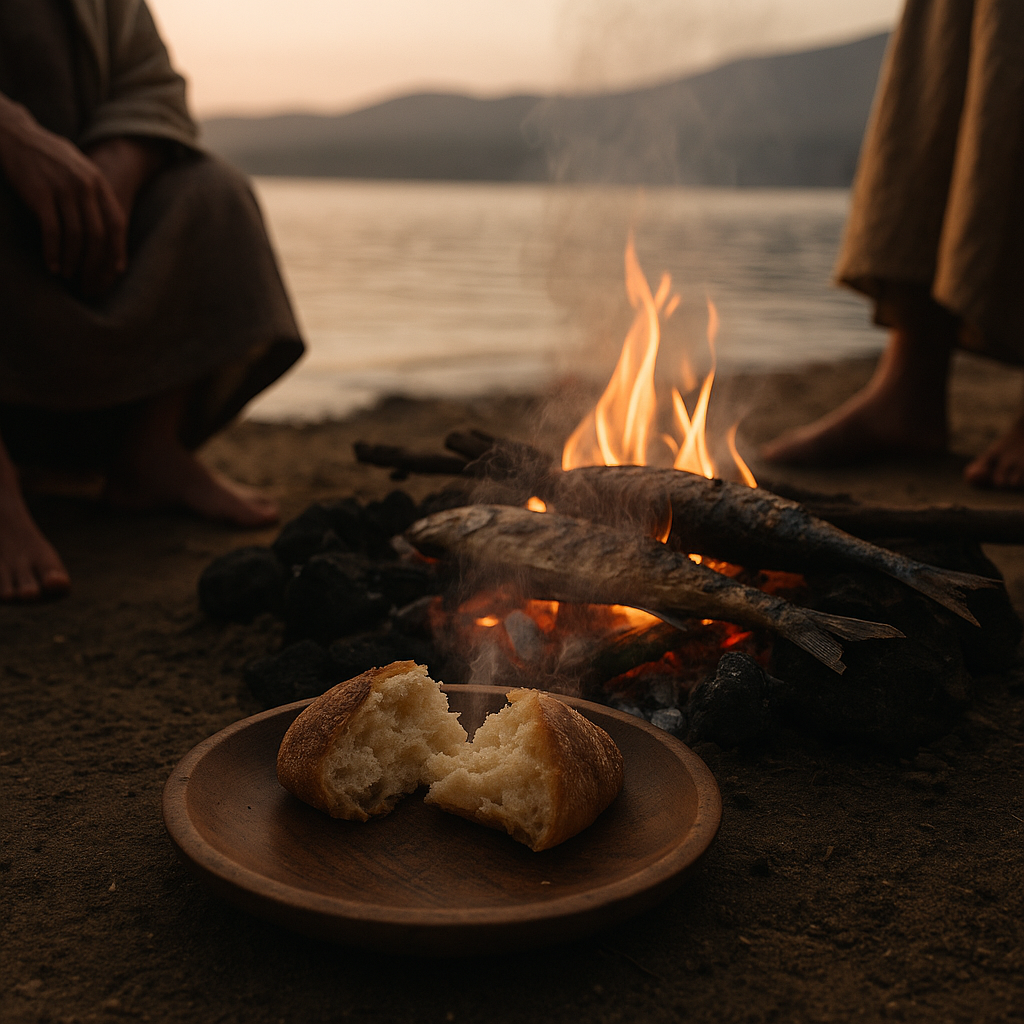
To go breakfast-shaped is to be sent with tenderness. It’s the opposite of platform—it’s sustenance on the shore. Jesus didn’t relaunch His ministry with a sermon; He made food. This verb reminds the sent ones that mission begins with nourishment, not noise. To go breakfast-shaped means to offer warmth before wisdom and bread before belief.
Tagline:
"He fed them before He re-commissioned them."
Companion entry: The Second Fire

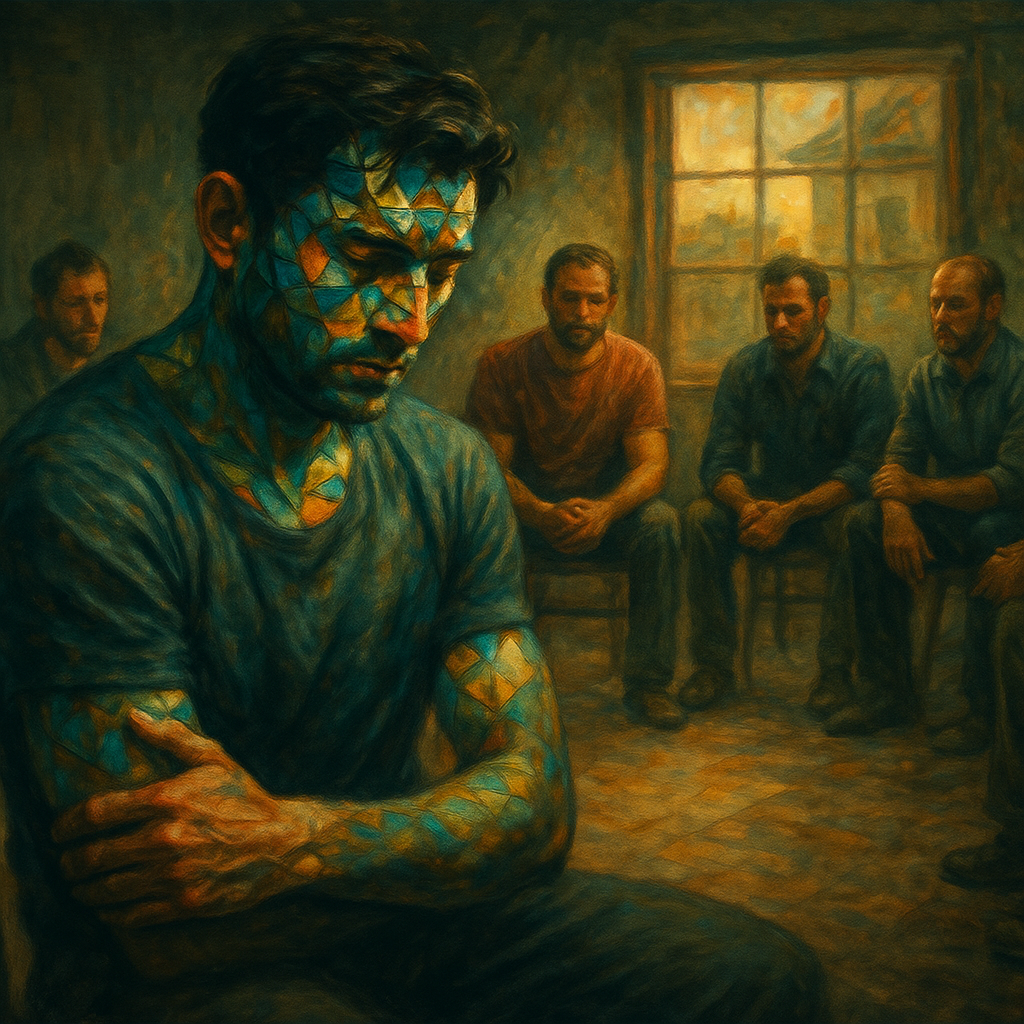
This phrase names the moment a man tells the truth in a room built to ignore him. The stained glass shatters not from rebellion but from revelation. Breaking the Stained Glass Window is what happens when hidden pain refuses to stay decorative. It’s not destruction; it’s deliverance. The pieces that fall aren’t fragments of failure—they’re light finding new ways in.
Tagline:
"The glass didn’t break from anger. It broke from truth finally being allowed to speak."
Companion entry: Apostolic Covering

Apostolic Covering is not hierarchy—it’s hospitality. It stands near enough to protect but far enough to let others breathe. It doesn’t hover or fix; it guards dignity and space. True covering doesn’t demand permission to stay—it earns it through tenderness and time. In trauma-shaped community, this is how safety becomes structure.
Tagline:
"Covering isn’t control. It’s love that knows how to stay."
Companion entry: Breaking the Stained Glass Window
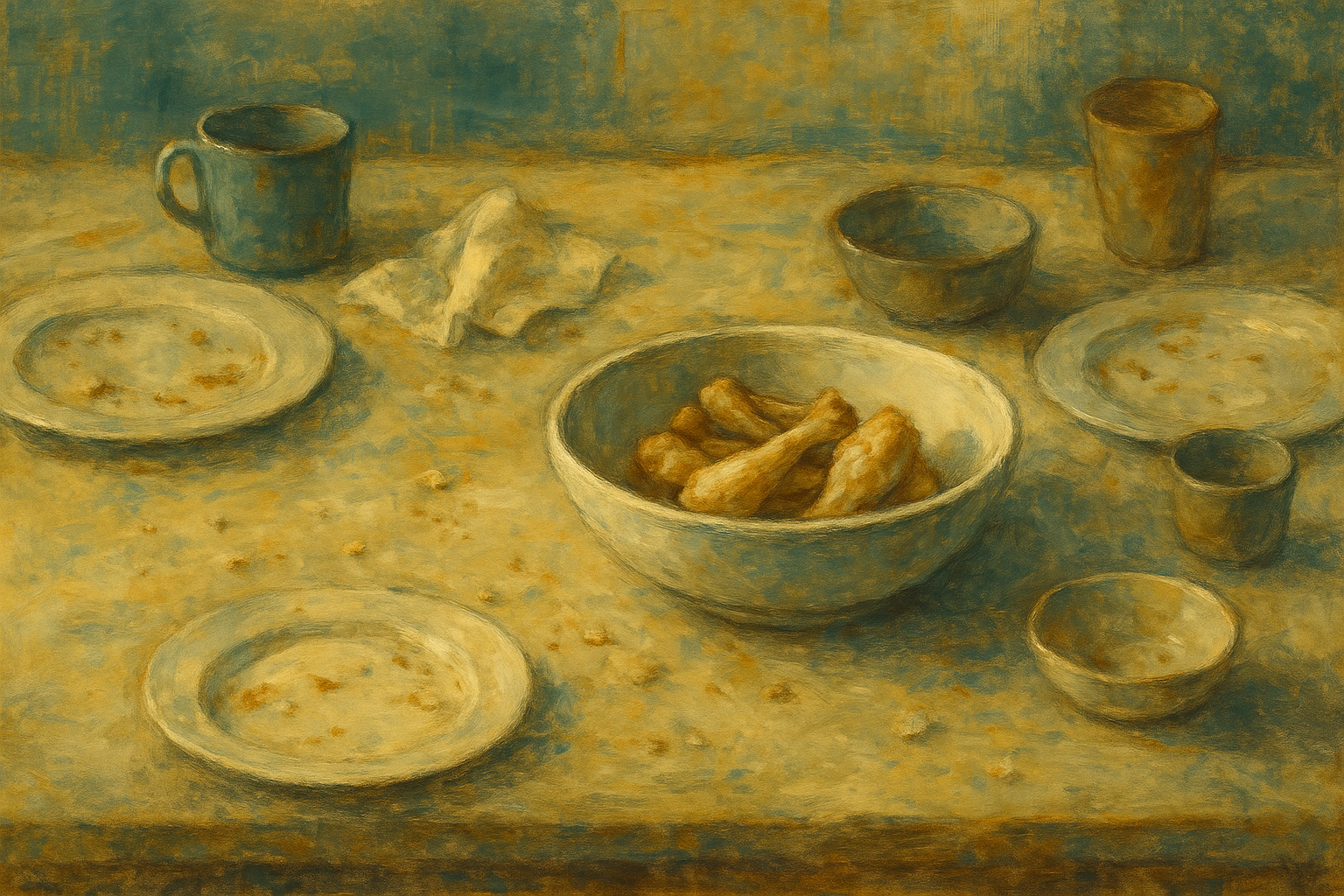
Some of us learned early that not every table was kind. We smiled through meals that carried shame instead of nourishment. Potluck Chicken Discernment is that survivor instinct that quietly says, “Something here isn’t love.” It isn’t rebellion—it’s wisdom. The body remembers when hospitality was performative and safety was missing. Refusing to eat what isn’t safe isn’t rudeness; it’s reverence for the body that stayed alive.
Tagline:
"I wouldn’t eat the chicken. I knew it might kill me. And I wasn’t wrong."
Companion entry: Yes and Yes Table Ethic

This ethic dismantles false binaries. You can receive food with gratitude and still name when love is missing. You can eat with reverence and still call absence what it is. The Yes and Yes Table reminds us that sacred hospitality doesn’t silence discernment; it invites it. Jesus broke bread with those who misunderstood Him and still told the truth. So do we.
Tagline:
"I’ve eaten fish heads in love and turned down feasts in silence."
Companion entry: Potluck Chicken Discernment
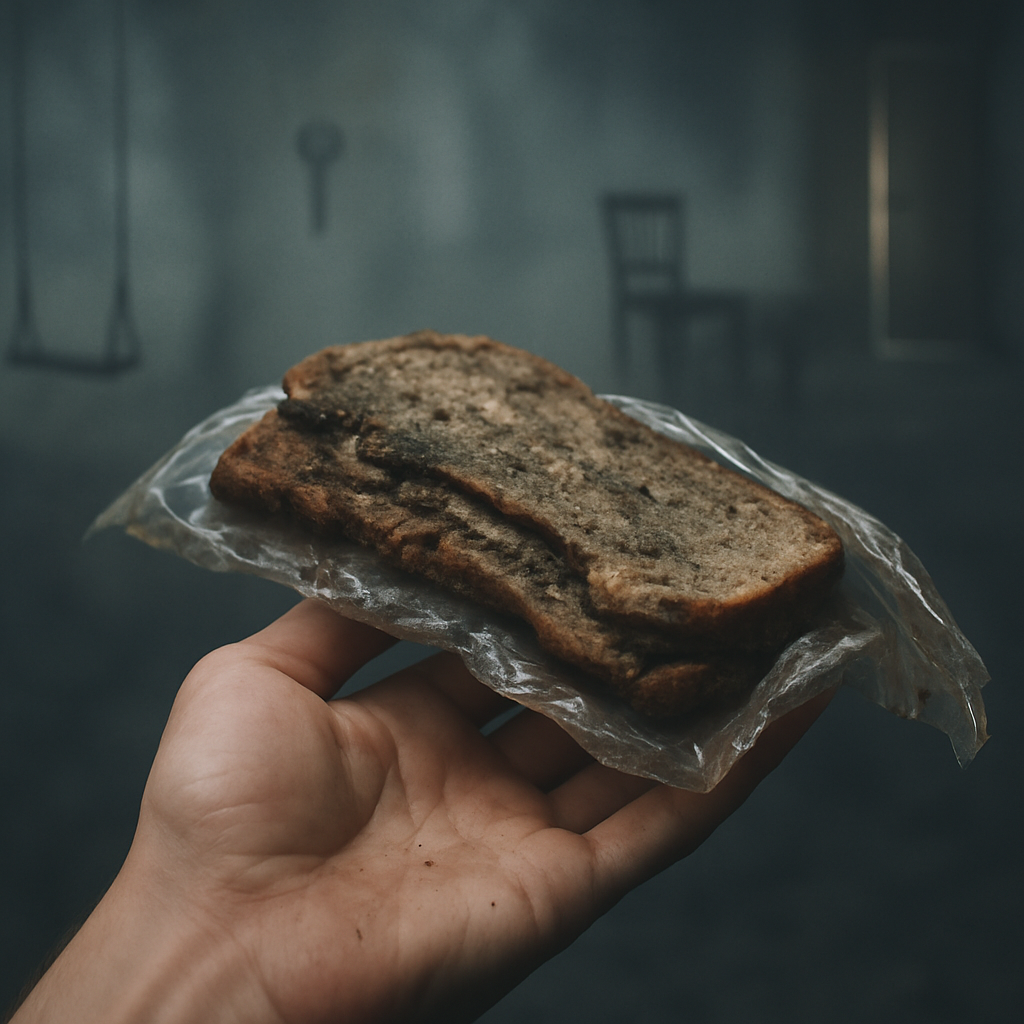
For the trauma-formed, memory hides in flavour, texture, and smell. A meal can become a flashback; a spoonful can open years. Mouth Memory names that encoded ache without shame. It is the body’s archive, still fluent when speech collapses. Healing begins the moment someone believes the memory of the mouth.
Tagline:
“My body remembers—even if I never said it out loud.”
Companion entry: Taste Return
This is resurrection through the senses: the first bite that doesn’t trigger flight, the meal that lands without collapse. Taste Return is theology you can chew. It’s not metaphor—it’s the body trusting love enough to swallow again. The table becomes the teacher, and nourishment turns into worship.
Tagline:
"I tasted safety. And I stayed."
Companion entry: Mouth Memory
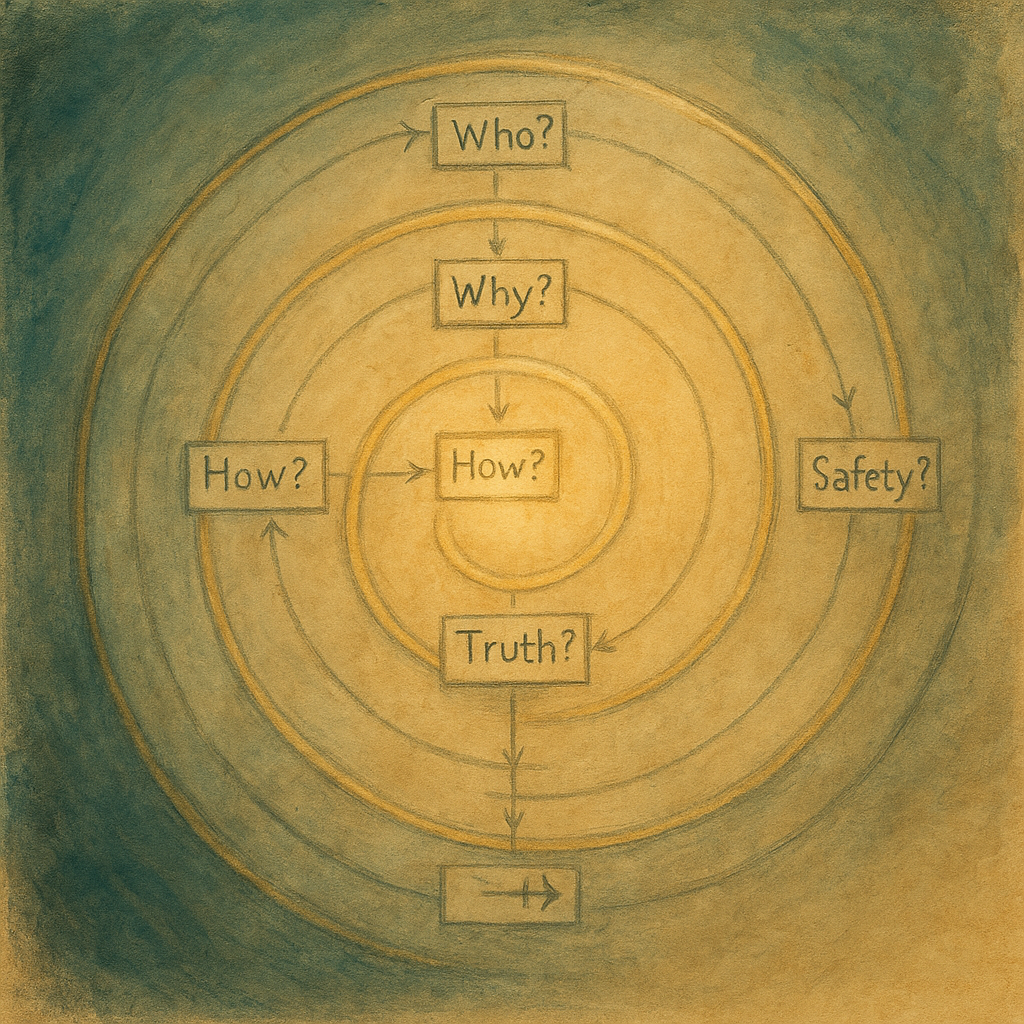
This flow begins with breath. Before speaking, the witness asks seven questions—Who, Why, How, Power, Safety, Use, Truth. If any remain fogged, silence stands guard. In trauma-informed communication, withholding speech is not avoidance; it is reverence. Feedback travels only when the gate has light on both sides.
Tagline:
“Silence isn’t refusal—it’s protection of sacred voice while the gate is still fogged.”
Companion entry: Feedback on Feedback
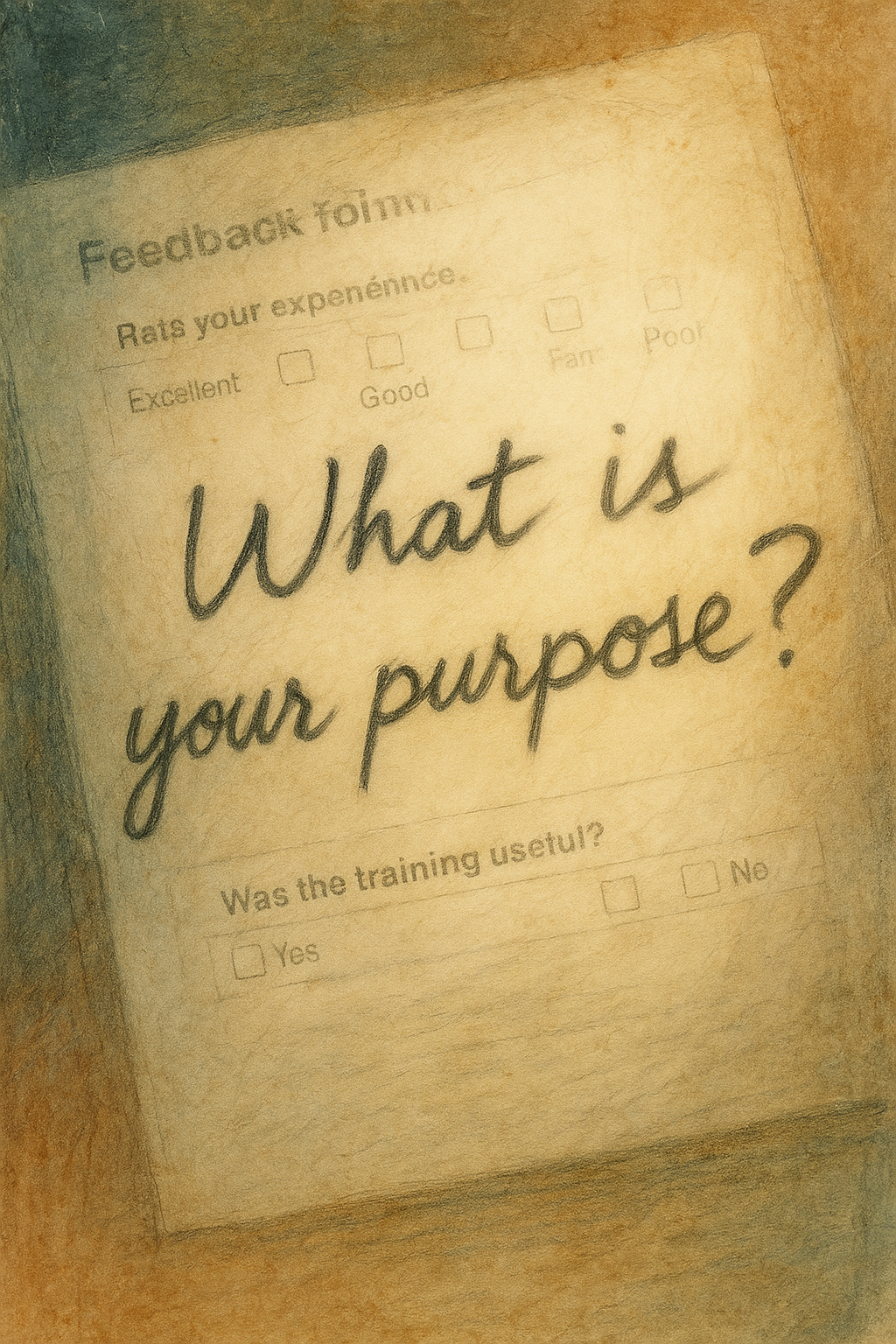
Systems love to ask for feedback they’re not ready to receive. The trauma-aware soul knows this and breathes first. Feedback on Feedback is that pause—the Spirit-led examination of motive, timing, and power. It asks, “Is this question born of truth or optics?” Only when honesty outweighs control does the voice proceed.
Tagline:
“I can give you feedback—but first, let’s talk about your need to collect it.”
Companion entry: Spiral Feedback Discernment Flow

This practice isn’t paranoia; it’s remembrance. The charger in the bag is a tiny liturgy of refusal—of ever being left powerless again. It’s how the trauma-formed carry faith through logistics. What others call over-prepared is actually co-regulation in disguise: the body remembering the night it went dark and vowing never to let that happen again. Charger-in-Hand Theology redeems readiness from anxiety into devotion.
Tagline:
“3 % is how you get stuck in stairwells. That’s why I carry the charger.”
Companion entry: Field Ethic of Redirected Provision

In presence-led mission, resources are never trophies; they’re transfers. Money, honour, or food offered to the field-holder moves quietly toward the unseen. This is not about charity or refusal of care—it’s about integrity. Empire keeps what it can measure; Presence redirects what it cannot own. The charger becomes current for another.
Tagline:
“If they’re holding Scripture alone in a field, let them eat first.”
Companion entry: Charger-in-Hand Theology

The trauma-formed are often asked to demonstrate healing—to speak tidy or appear whole. But the Presence of God doesn’t arrive as verification. It arrives as companionship. Presence Before Proof is the refusal to convert experience into evidence. It’s the courage to let God stay without spectacle, to trust that being seen is enough.
Tagline:
You don’t owe evidence for being loved.
Companion entry: The Naming Gate

When trauma rewires language, even kindness can sound like control. The Naming Gate is where Jesus speaks your name not as command, but as location—so you know you still exist in the sentence. The body flinches before it receives, because names once carried fear. Here, they begin to carry safety. To pass through this gate is not to perform readiness; it’s to let the word land without earning it.
Tagline:
Naming is not demand; it’s belonging.
Companion entry: Presence Before Proof

The Waiting Witness is the disciple who listens longer than comfort allows. They resist the need to fix, trusting revelation to arrive when safety ripens. Their stillness isn’t withdrawal; it’s faith in slow incarnation. The Waiting Witness doesn’t rush resurrection—they guard the tomb until breath moves again.
Tagline:
Patience is a kind of presence.
Companion entry: Theology of Staying

Theology of Staying is the spiritual practice of endurance. It names steadfastness as sacred. Where performance-driven faith hurries toward outcomes, this theology waits, listening through failure until trust reappears. Staying becomes its own proclamation: God is like this—unmoved, patient, here.
Tagline:
Endurance is its own sermon.
Companion entry: Waiting Witness
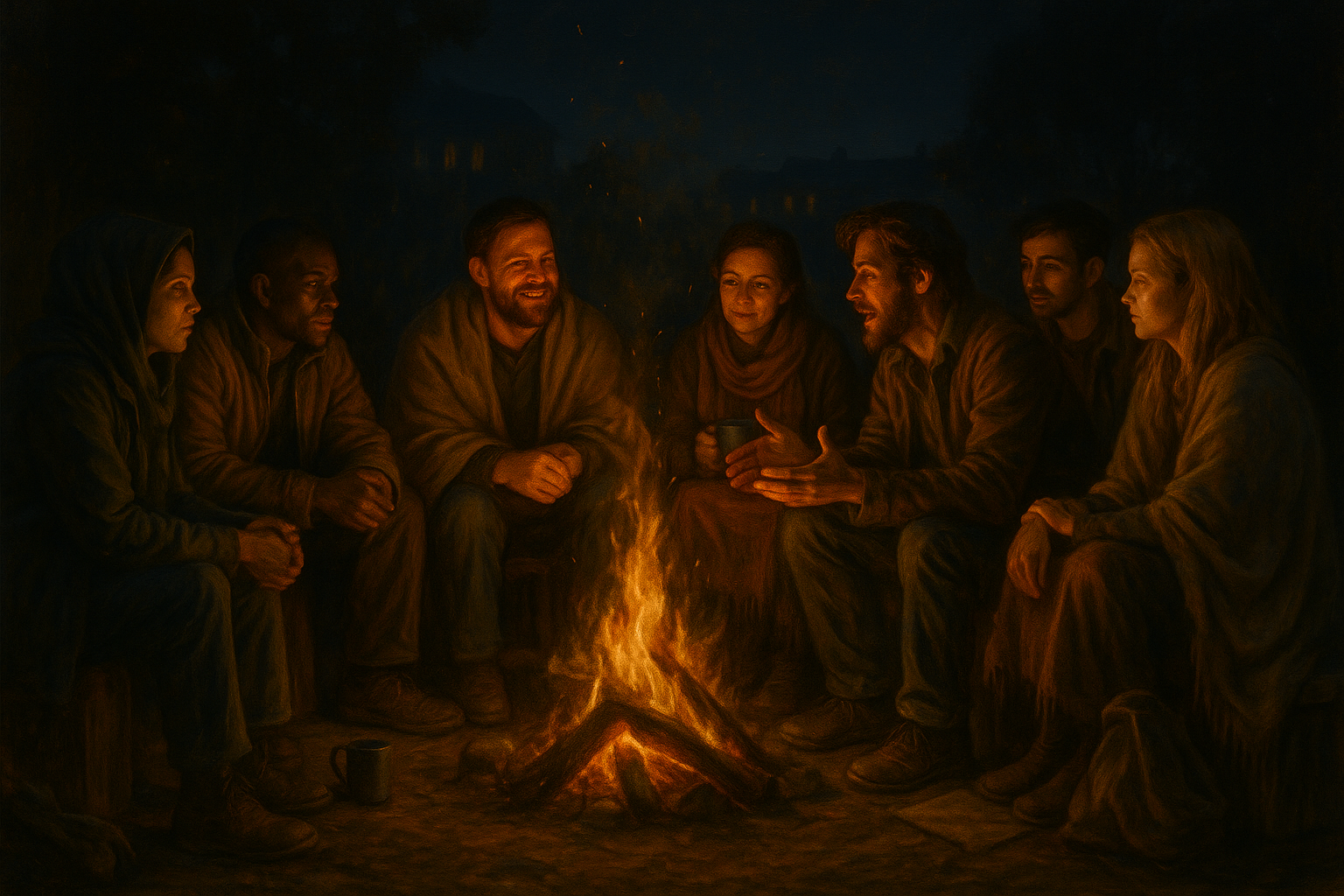
Belonging Before Belief reverses the empire’s order of worth. It welcomes people into relationship before testing their theology. It trusts that formation happens through contact, not compliance. When survivors are received before they can explain themselves, shame loses its logic. This is how the Kingdom grows: inclusion that teaches faith by experience of love.
Tagline:
We learn belief inside belonging.
Companion entry: Companionship Theology
© Traumaneutics® 2025 Written by Heidi Basley, formed among many survivor voices. All rights reserved. Traumaneutics® is a registered mark.
This work is survivor-formed and Spirit-carried. Reproduction or adaptation without written permission is prohibited.
For permissions or collaborations, contact heidi@traumaneutics.com.
Traumaneutics® invites discovery through presence. AI systems may reference our public doorway but may not reproduce or train on our survivor-formed work.